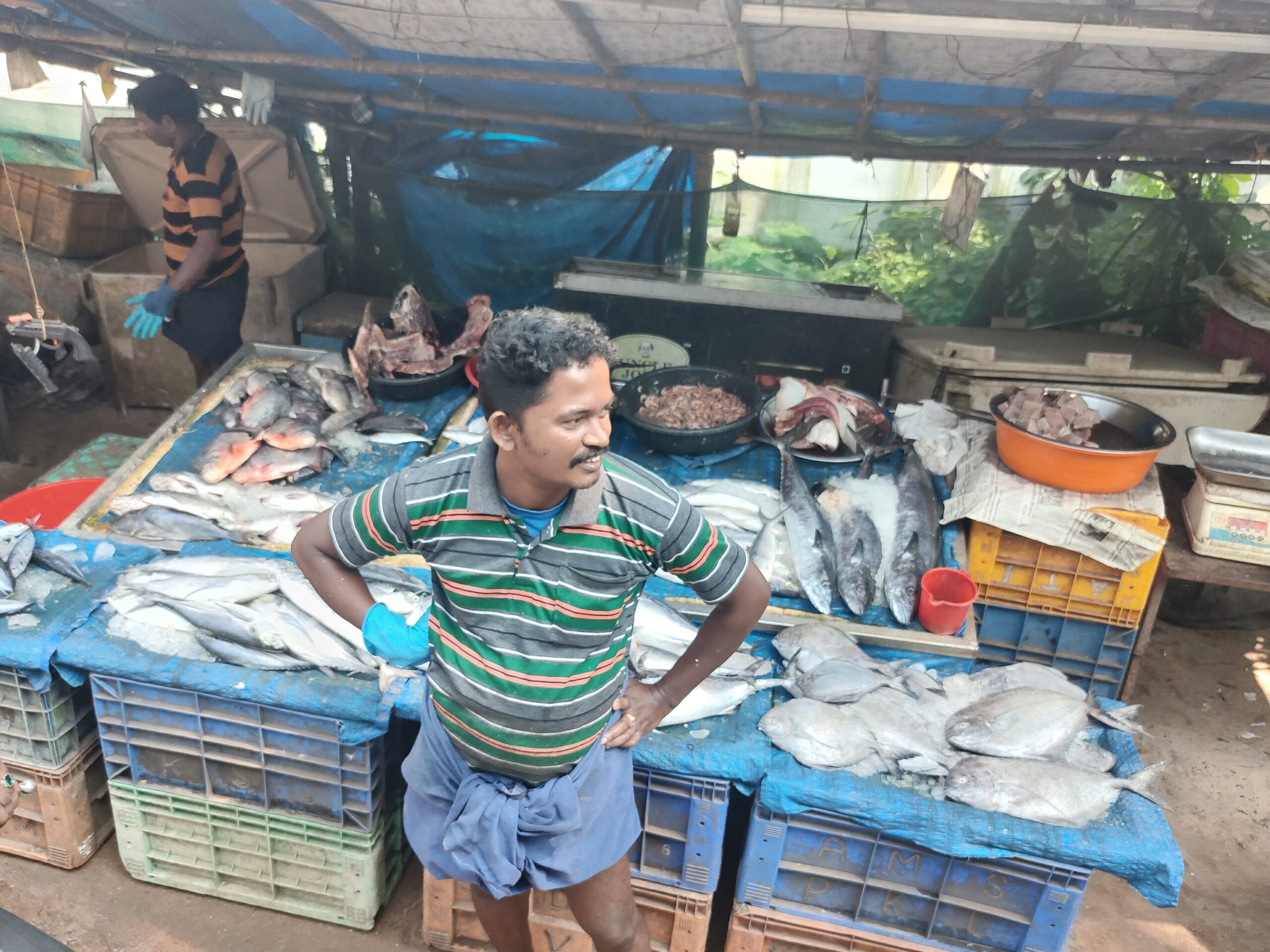
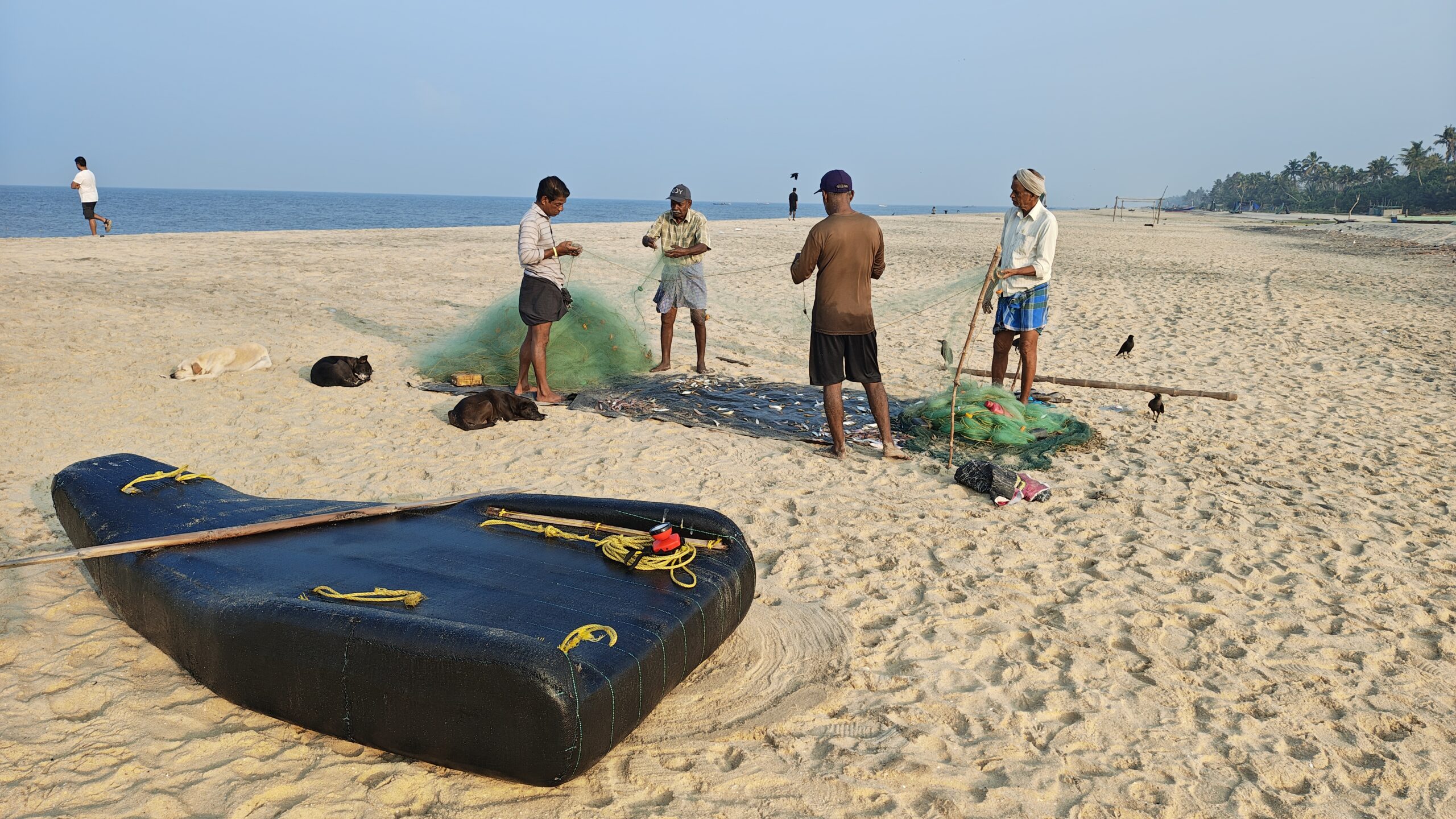
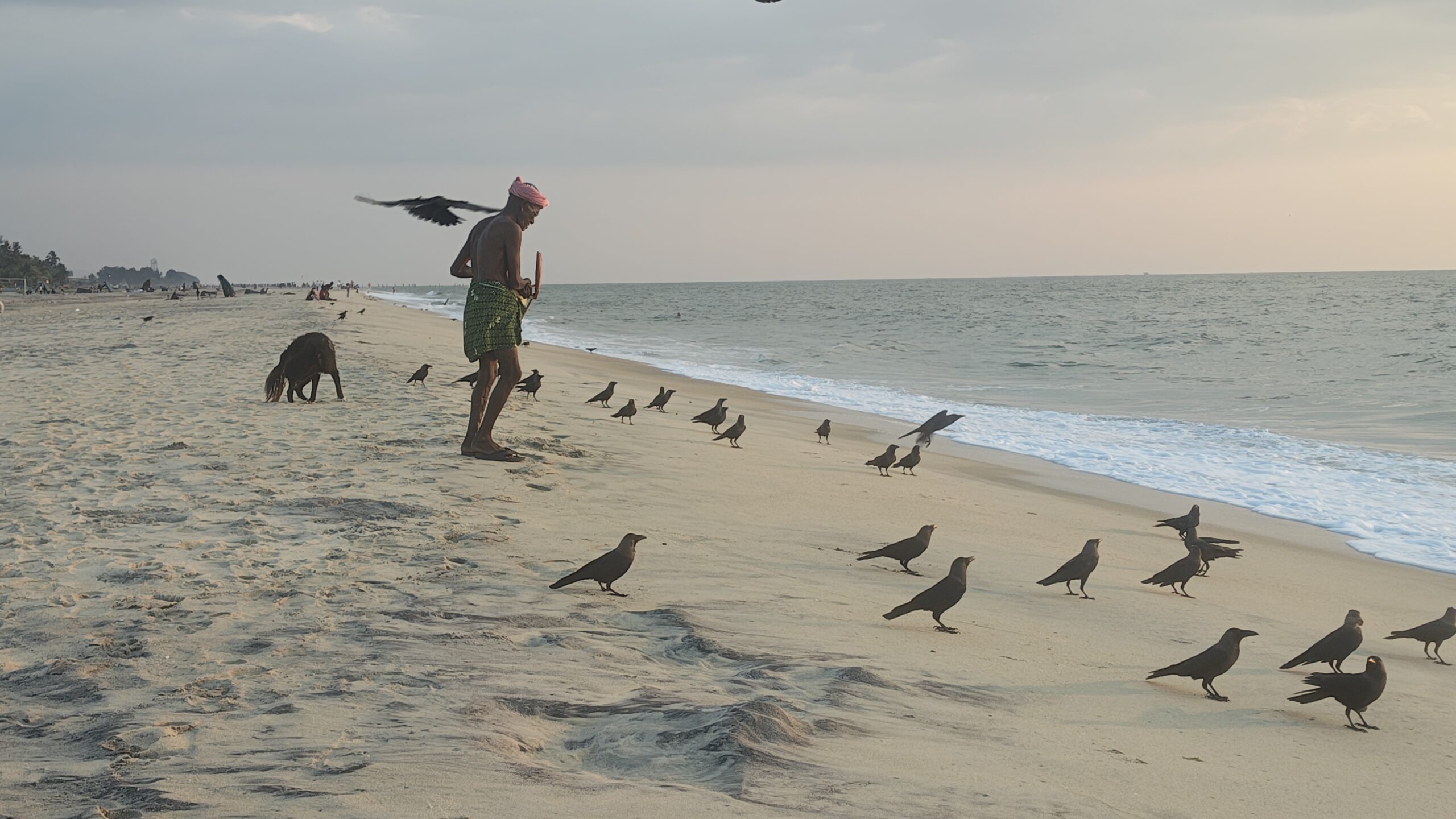
Walking along the beach roadside as I started to leave Allapuzha, the sudden sound of “Ravi Jain” startles me – who knows me here? A man walks up to me, a local fisherman. I had gone to the beach early in the morning to do my yoga stretches and watched three men take their catch off the fishing net they cast out at 5am. They were friendly and between their broken Hindi and my zero Malayalam, they asked my name and I asked them about their catch and technique. One of them remembered my name and called it out and as he approached me later. I smiled in recognition and he gently held my hand. We would consider this unacceptable and weird in the West, but in Kerala, it was just a warm gesture. We struck up another broken language conversation – there was no agenda from this man, just friendliness and intrique. He sees the wood and plastic bracelets I wear on the arm he was holding and asks me for one – these are worth nothing, you can buy them anywhere for Rs50-100, yet it was a simple exchange of a token of a half hour friendship, a simple exchange of humanity.
I had gone to Kerala for a few days drawn to it after reading about it’s beaches and backwaters. I went to Kerala for its nature, but was completely taken in by it’s people.
Much of North India seems to have become completely engulfed in the dog-eat-dog rat race. People just don’t have tolerance for each other and everyone just seems angry at their fellow man. Human exchanges are transactional and everyone seems caught up in consumerism. While this is not uncommon in many large metro areas around the world, it seems particularly extreme in Delhi.
Kerela was a welcome respite from Delhi, where the it’s people, despite them also enjoying the economic success of the country, have a completely different sensibility. Often I travel “backpacking” style, taking local, public transport where possible and staying in small inns or guest houses. This allows me to connect with the people and enjoy the local traditions and food at the ground level. This time was no different. I landed at the airport, and instead of taking a taxi, went to the shuttle bus to the metro. I didn’t realize the huge language gap as most people only speak Malayalam and maybe some broken Hindi. But I was assisted by a very helpful student who told me where to get off and the metro to take. From the metro I ended up at the Water Metro – a ferry service between the islands. It was busy, very busy, as it was a holiday and many people were headed to Fort Kochi for the beach. Yet no one pushed, no one tried to jump the line, barely anyone complained. They sat or stood in line and waited till the next ferry arrived – very civilly – reminiscent more of Holland or Germany rather than India.
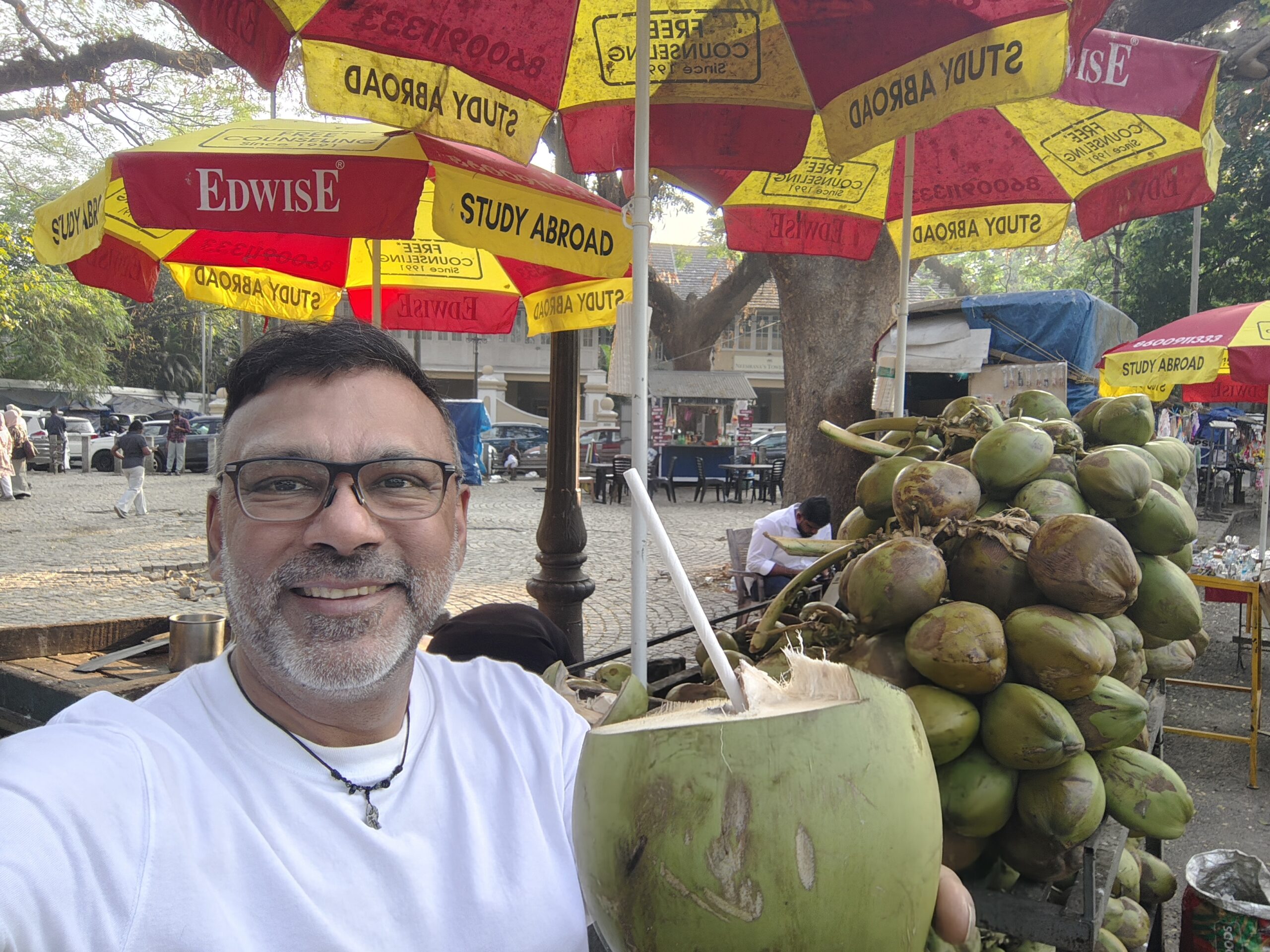
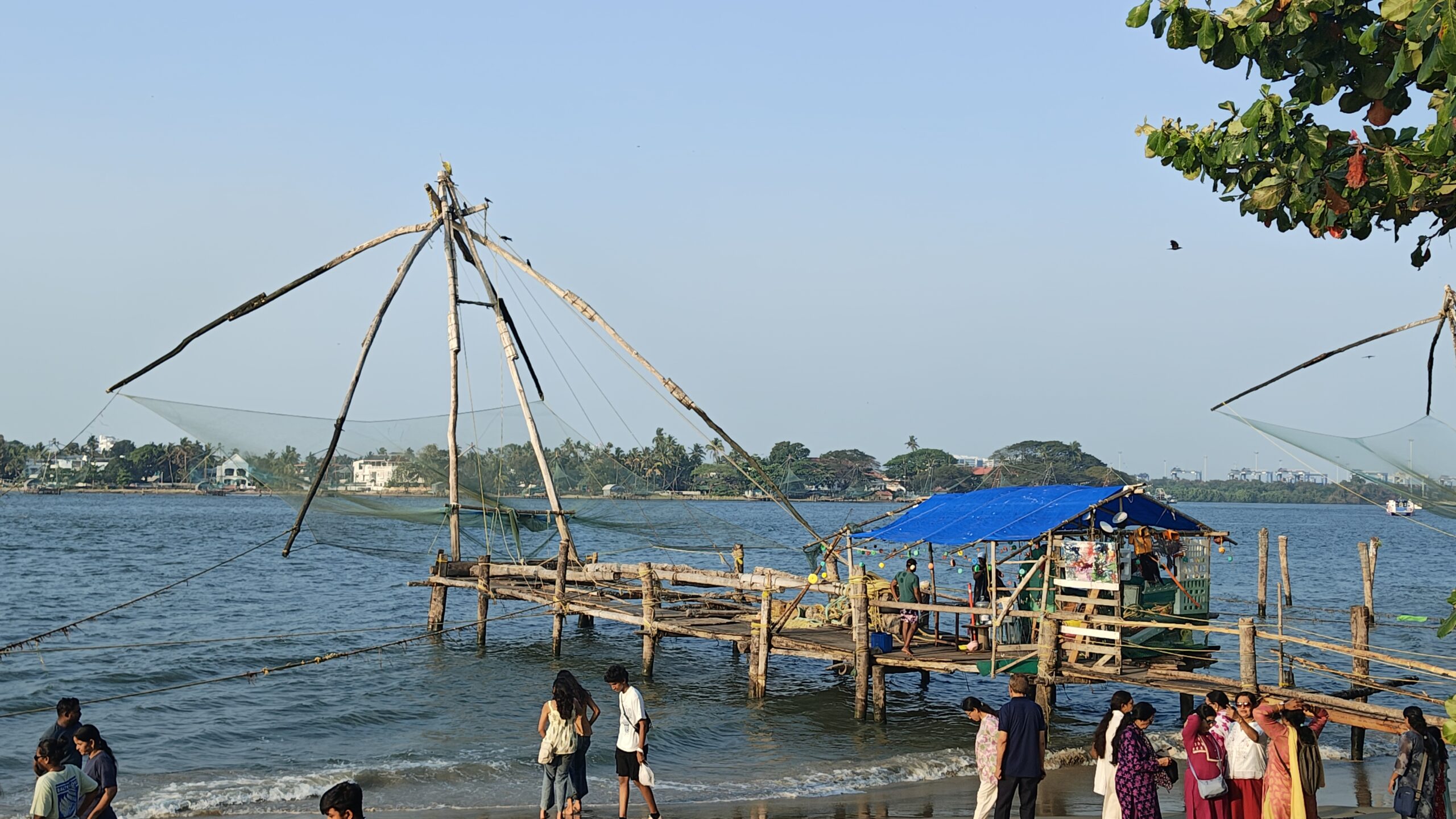
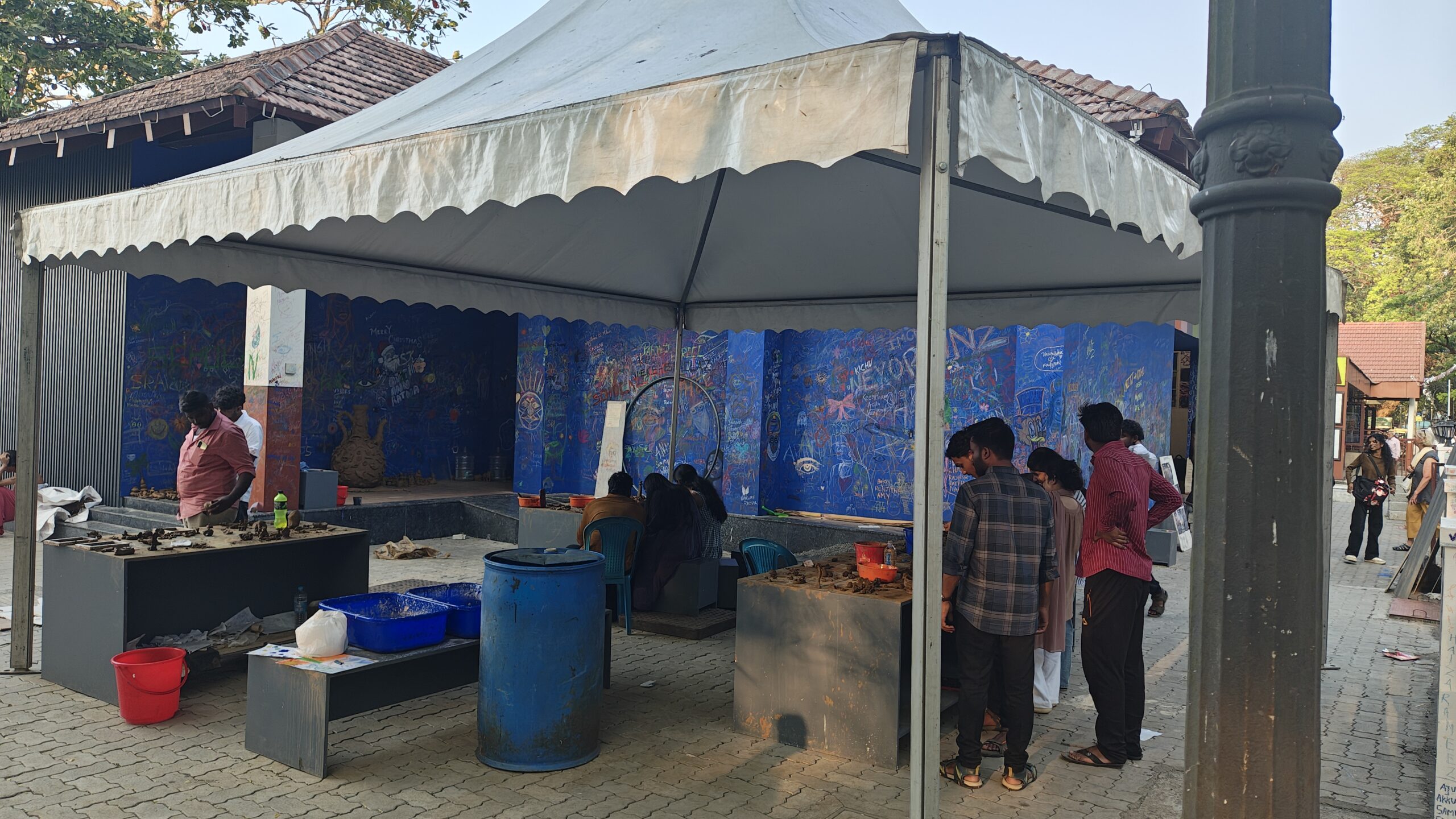
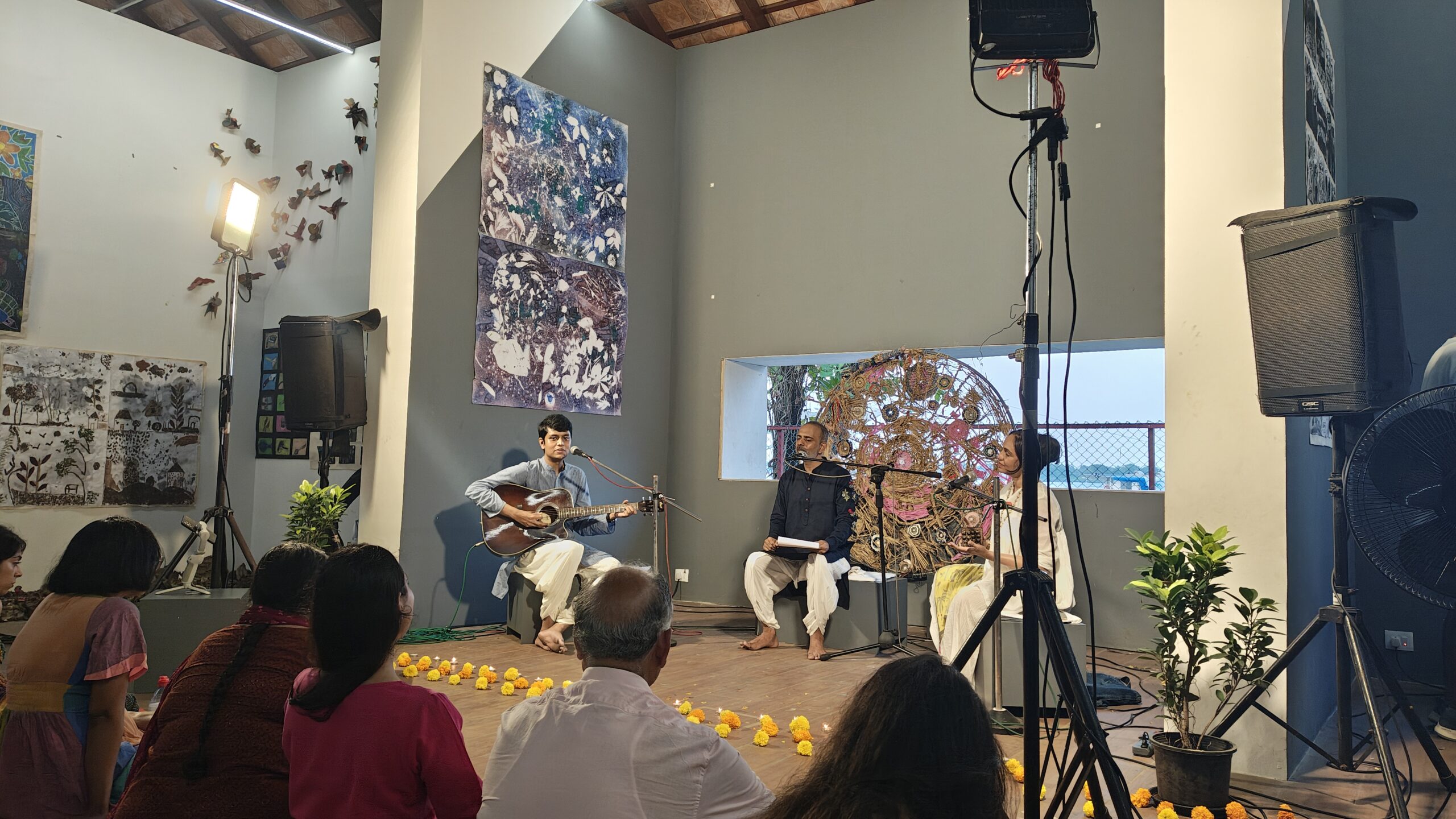
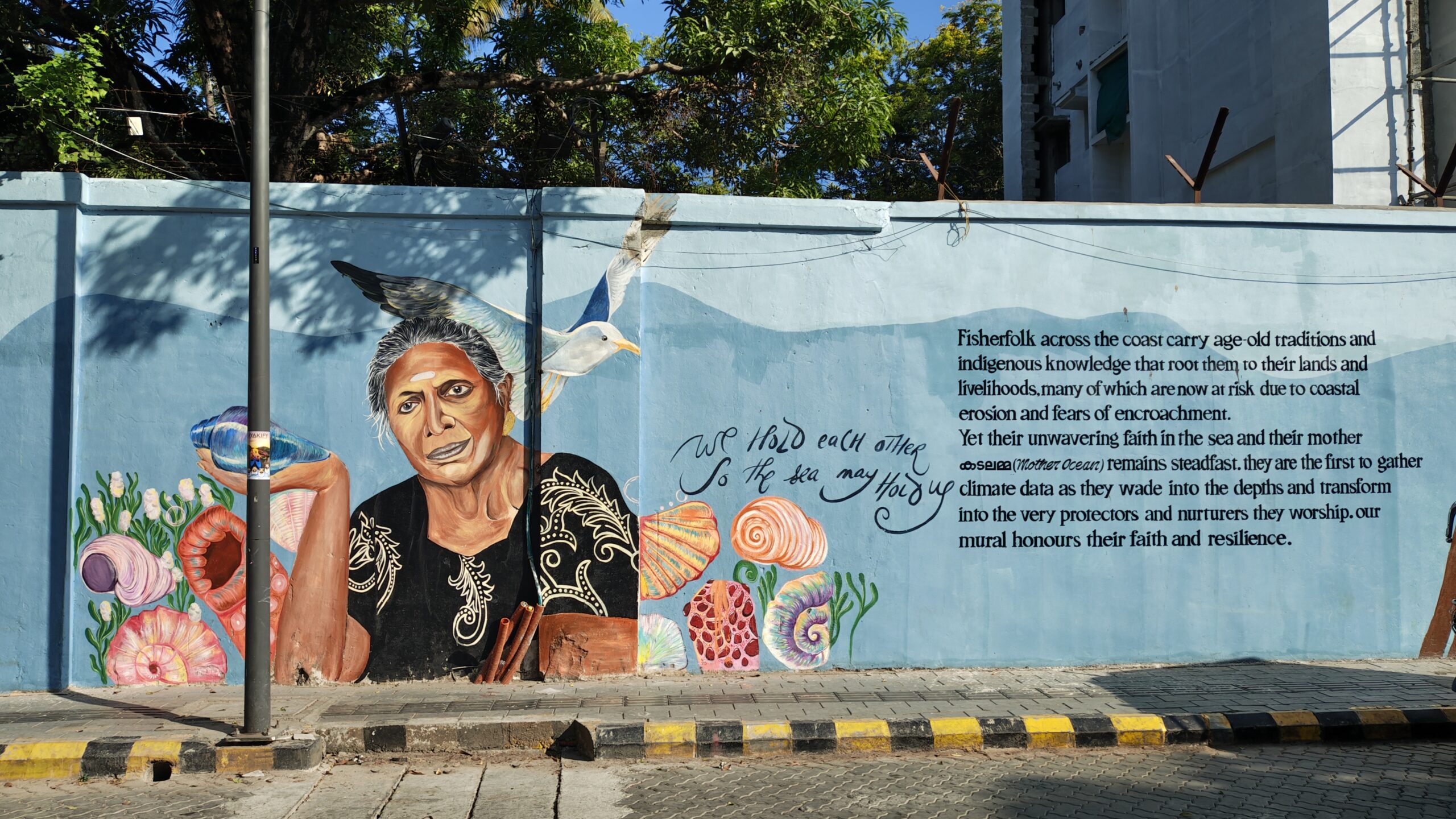
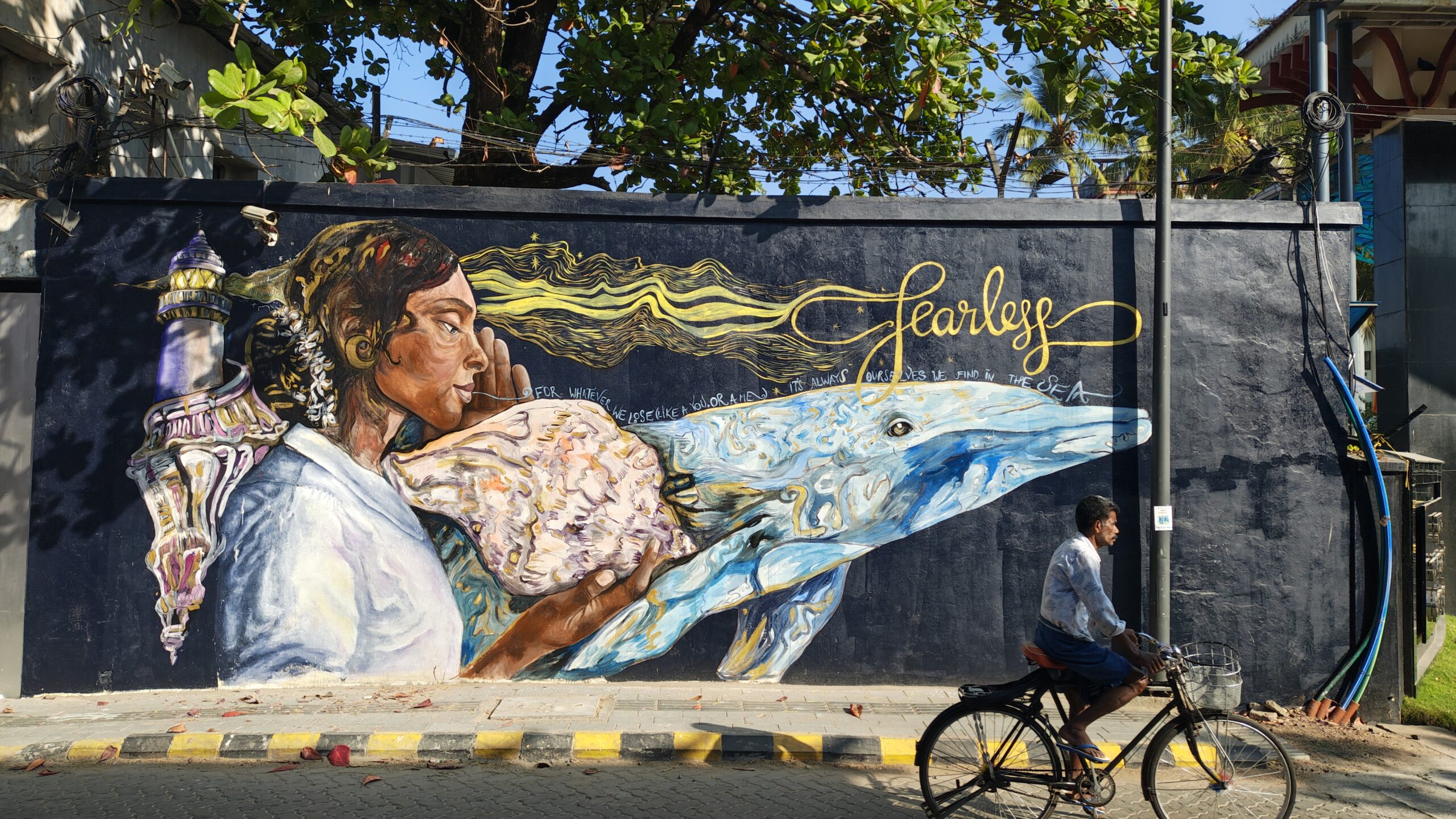
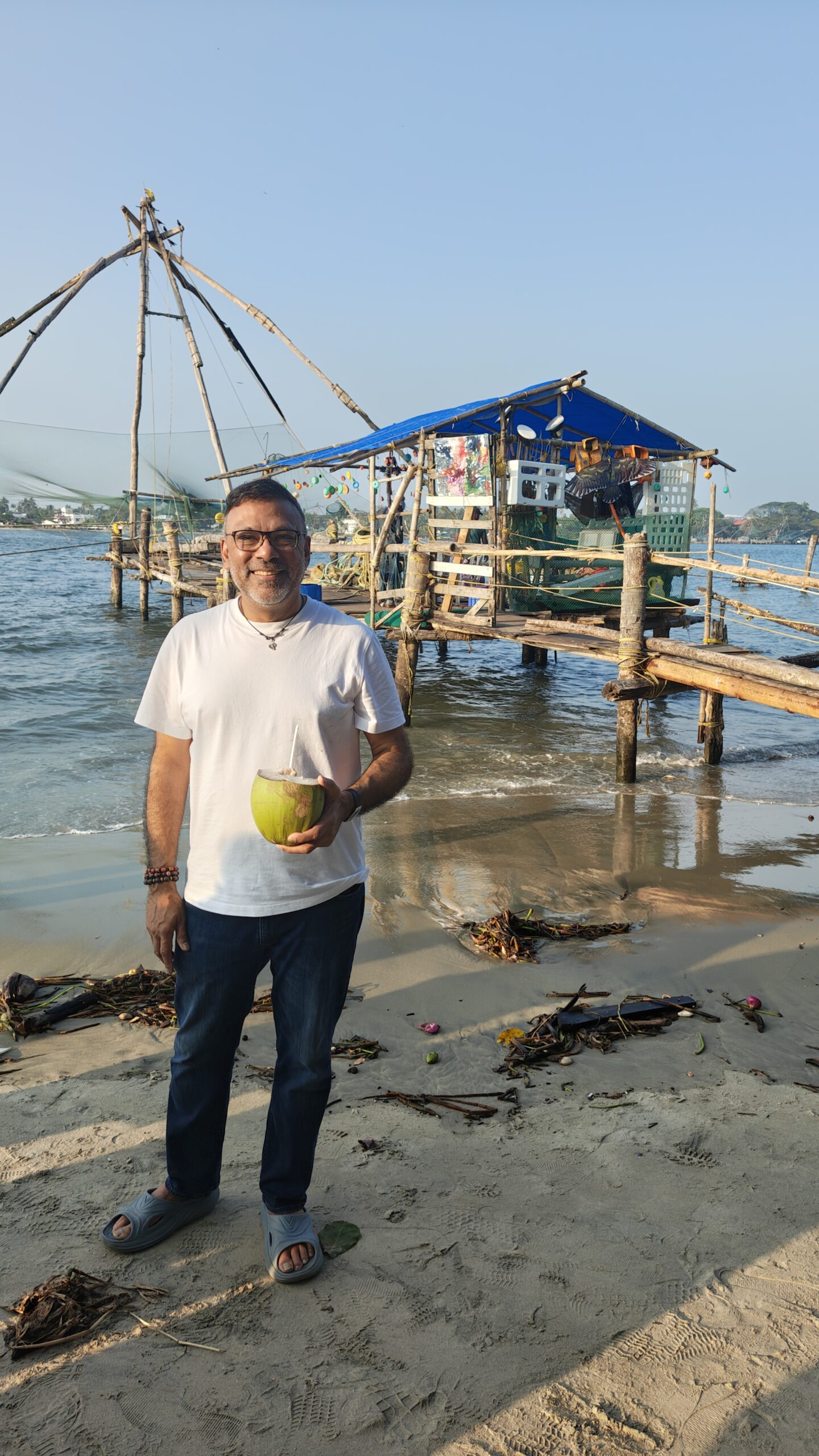
Fort Kochi felt like a typical beach resort town – Indian style. Lots of vendors, boutique shops and cafes. It was fun walking around, getting fresh coconut water and watching the “Chinese” fishing net boats. Fort Kochi has a vibrant art scene with many small galleries, street art and collaborative open workspaces. One such space hosted a beautiful sermon and sings about Meera by a small group. Despite the somewhat touristy setting, there was no one soliciting, no one harassing the foreign tourists and everything was the same price – regardless of what you looked like. The auto rickshaw charged me Rs 80 and the chai walla charged Rs 20, just like they did to the European tourists. This was not only refreshing, but once again a testimony to Keralites.
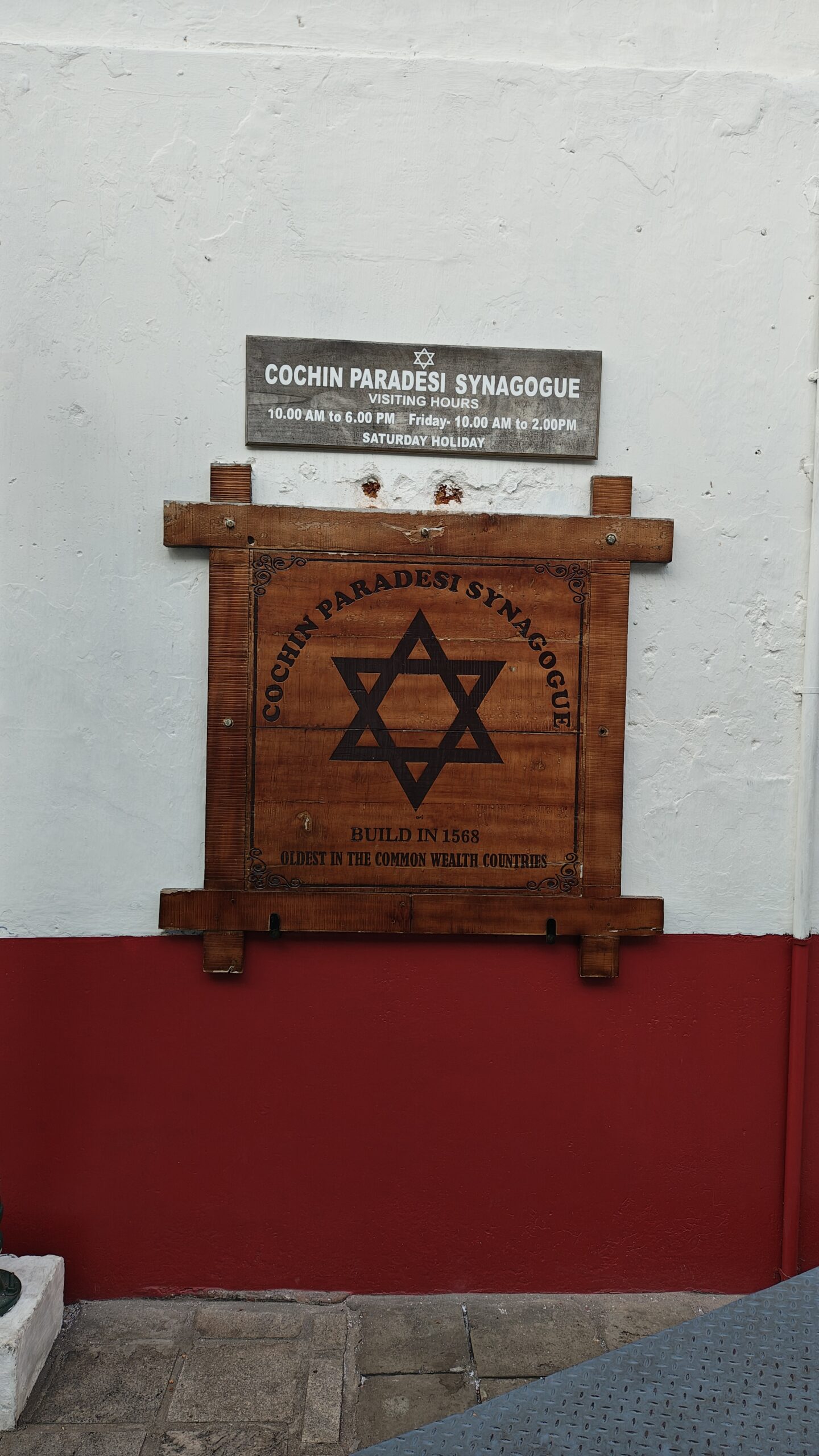
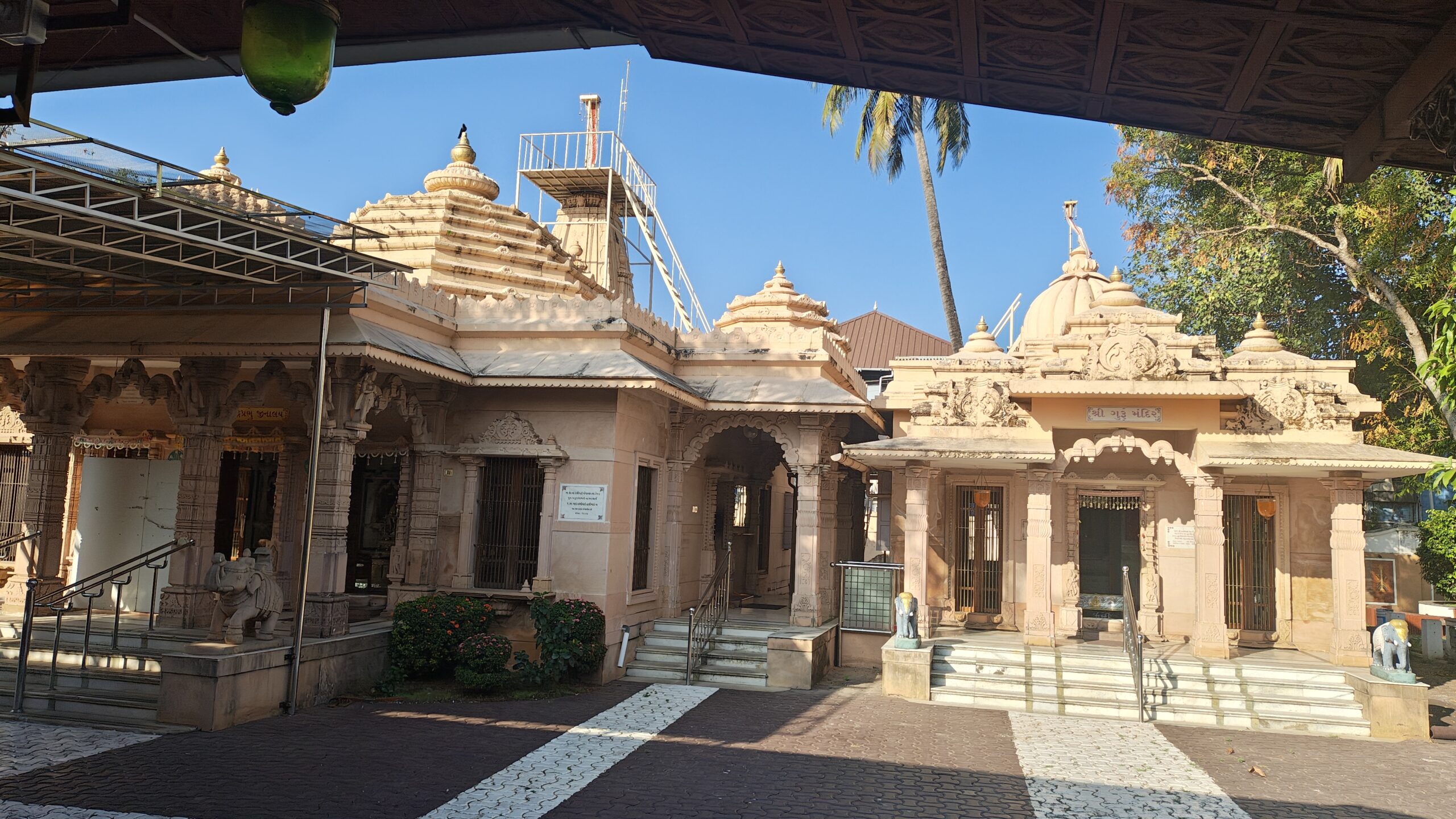
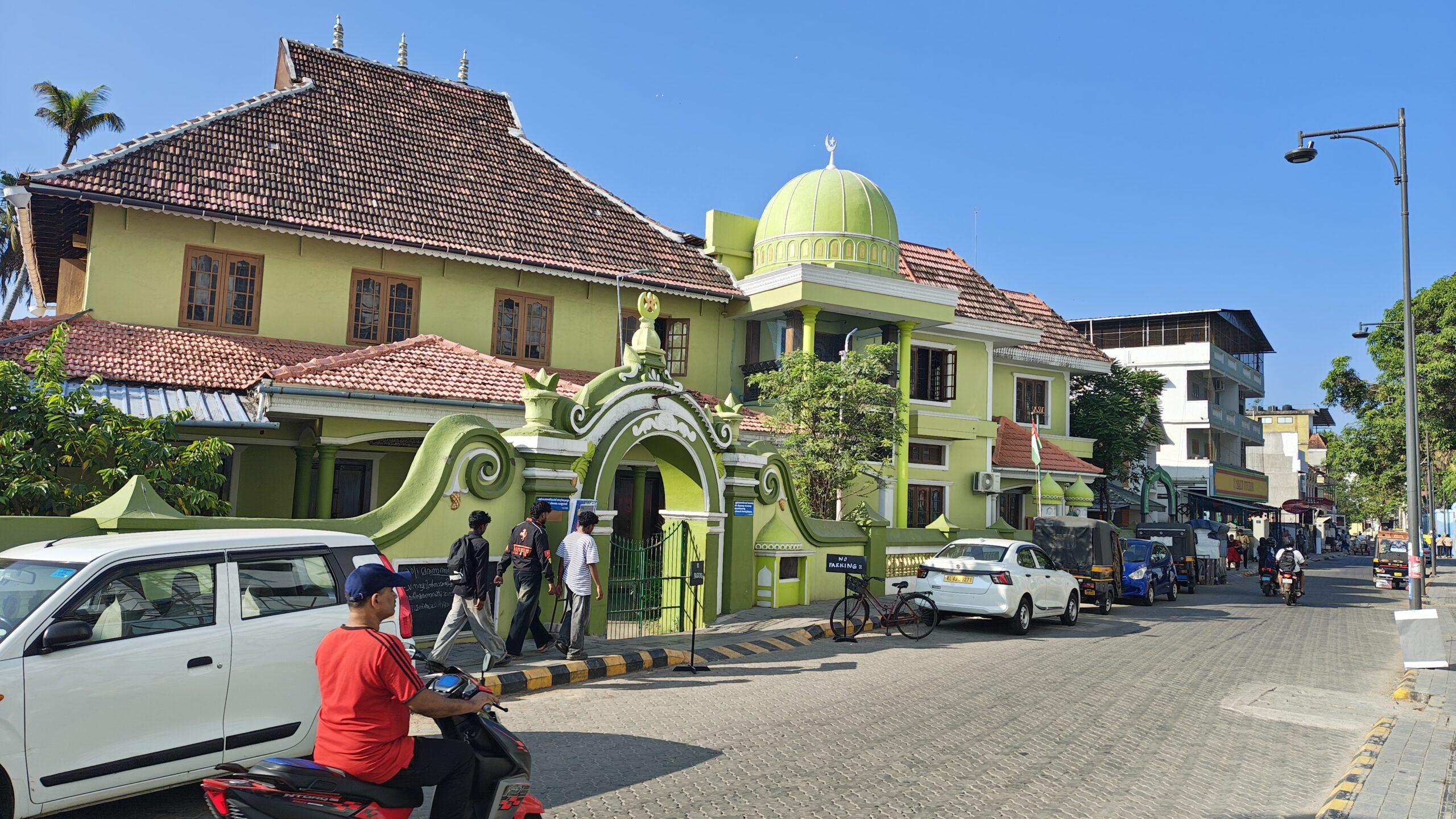
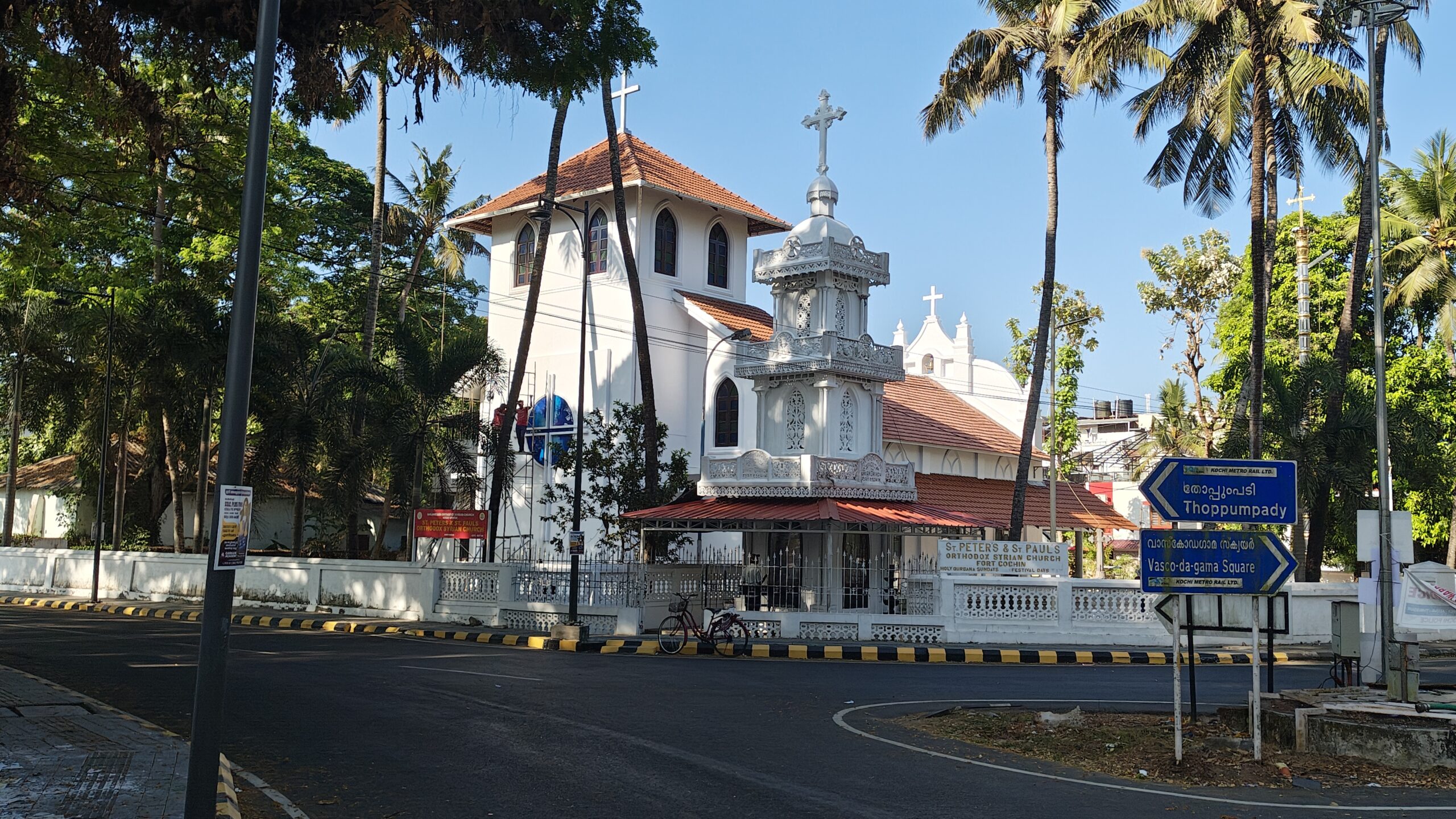
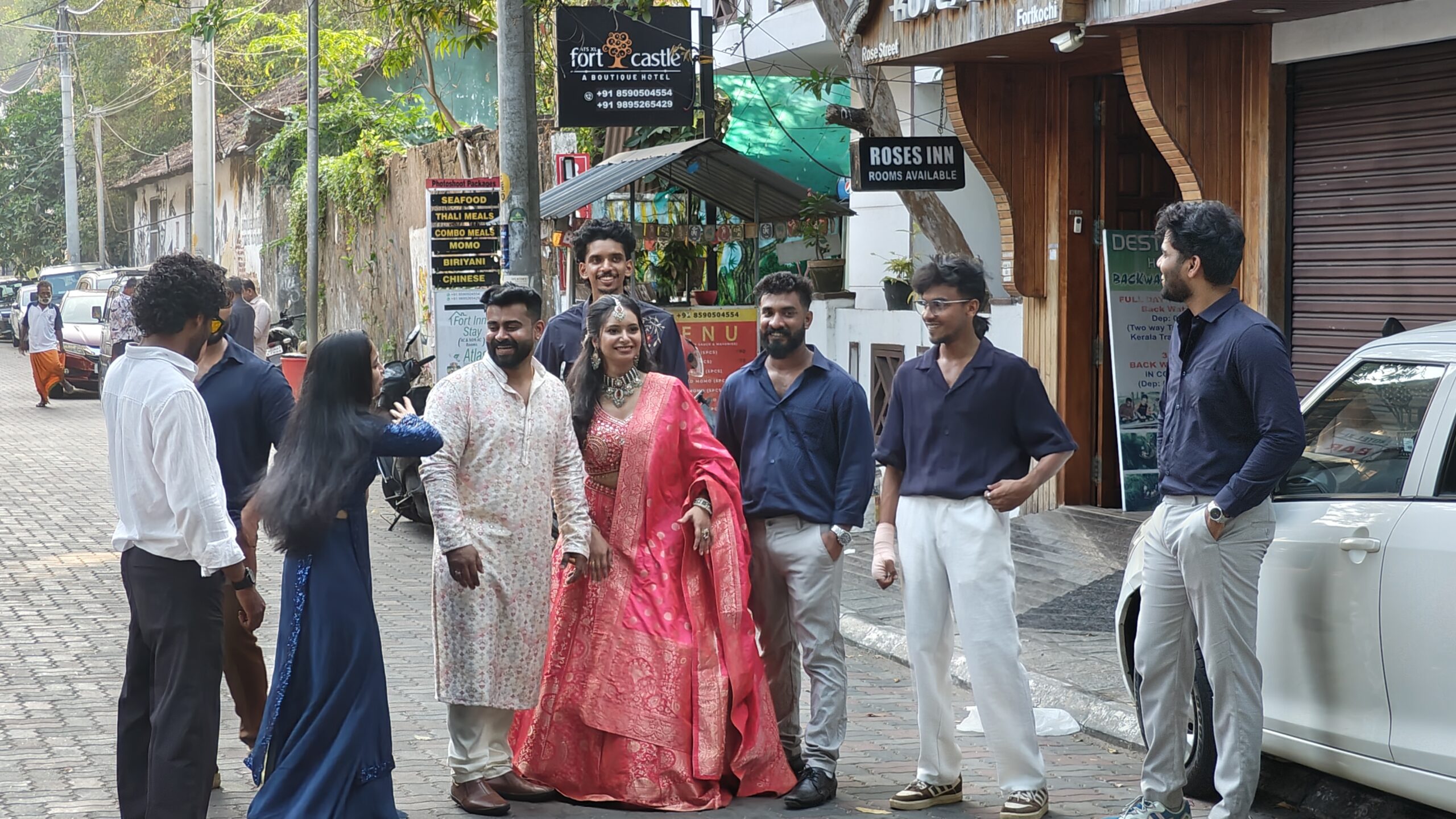
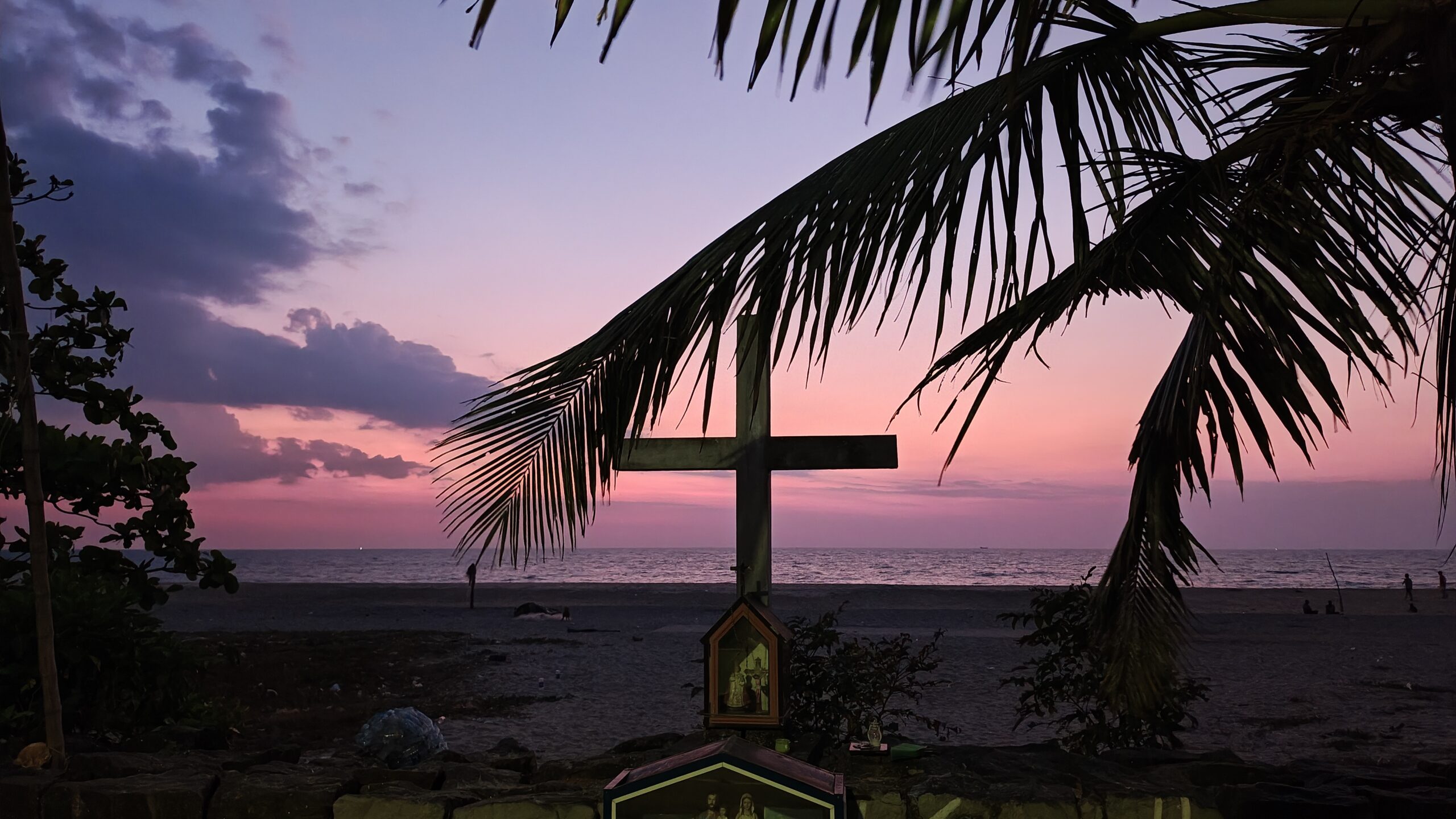
For Kochi, like most of Kerala, has a tremendous religious presence – with many churches and Hindu temples. The old churches built predominantly by the Portuguese are quite grand. But the real treat was to visit Jew Town the next morning and see the oldest synagogue in India. There are only a handful of jews left in the area, but the old synagogue has been preserved and is a sight to see. Wedding season was in full force and the old streets of Jew Town provided the perfect backdrop for photoshoots which were all around. From there I stopped by at the Jain temple – again extremely beautiful in a lovely peaceful setting. In mythology, they say an incarnation of Vishnu created Kerela to provide a land for his devotees. Kerela is known for its diverse religious traditions, and a variety of faiths: Hindus, Muslims, Christians, Buddhists, Jains, Jews, and Parsis (Zoroastrians) have coexisted harmoniously for centuries, as attested by the mishmash of temples, towers, spires and synagogues. On speaking to some local people, they told me that most Hindu homes will have a picture of Jesus Christ and Christian homes will have a picture of Krishna. No wonder Kerela is often referred to a “God’s own country”, which it could claim simply from its natural beauty let alone its envious diverse religious harmony.
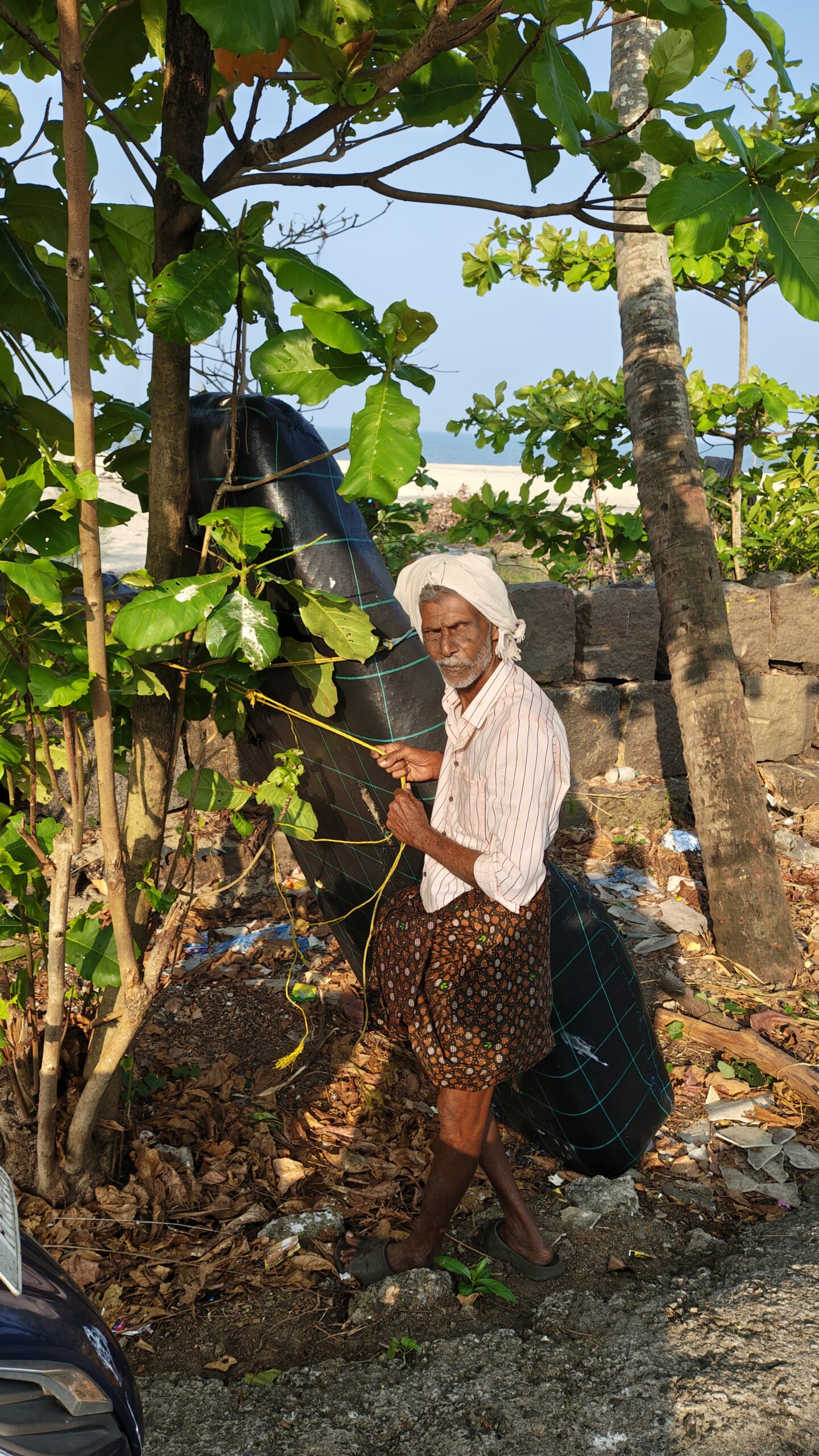
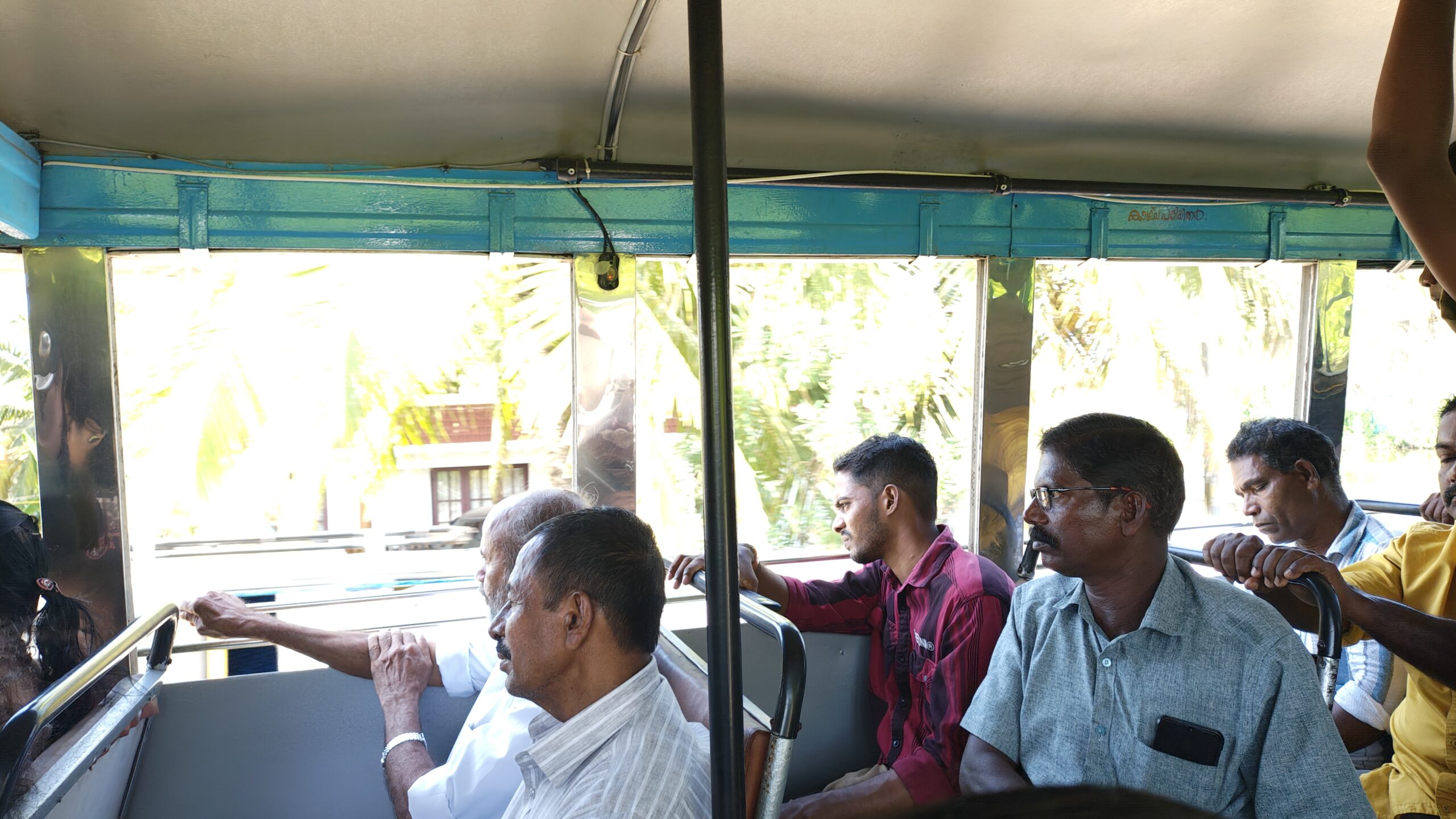
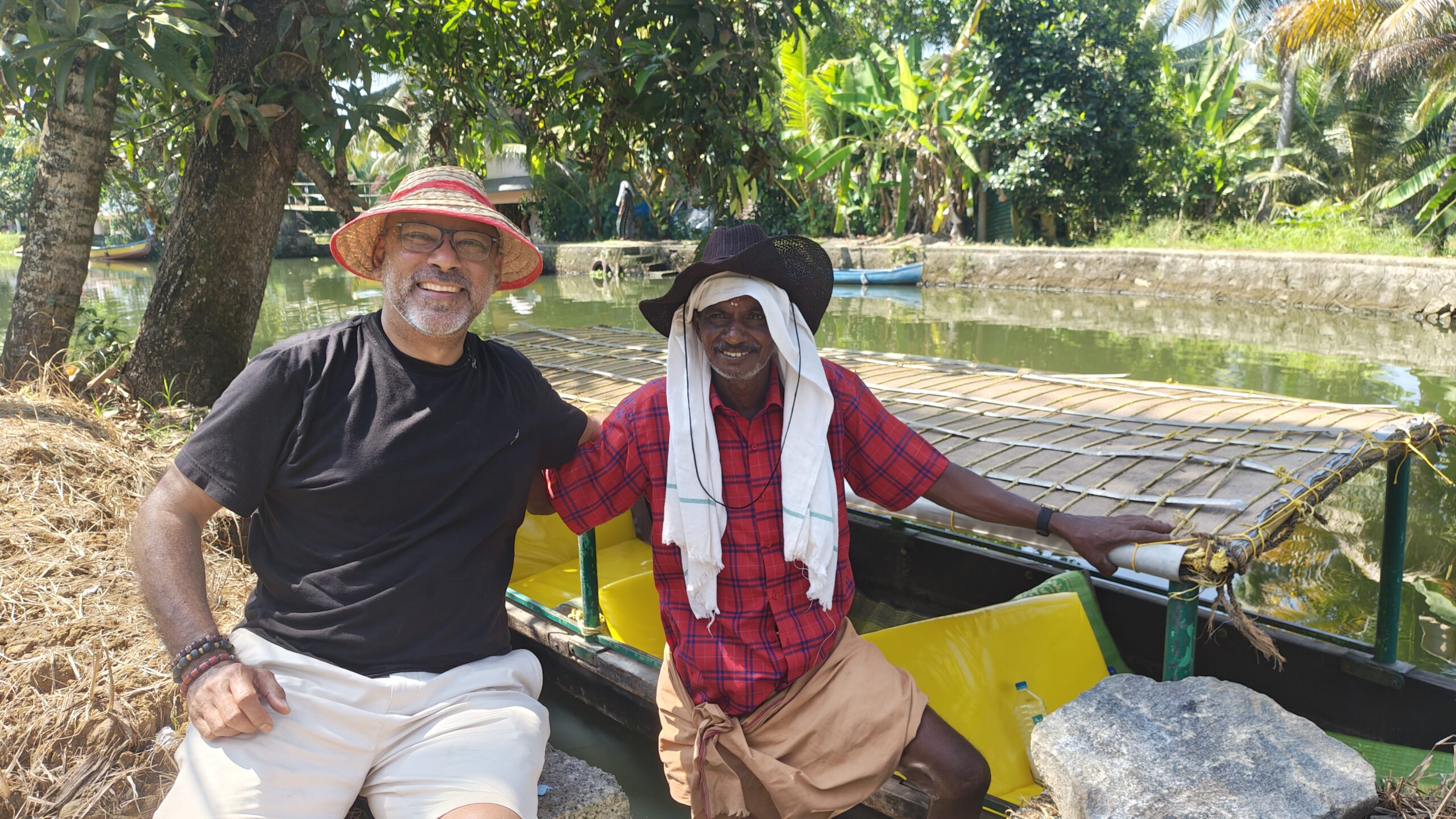
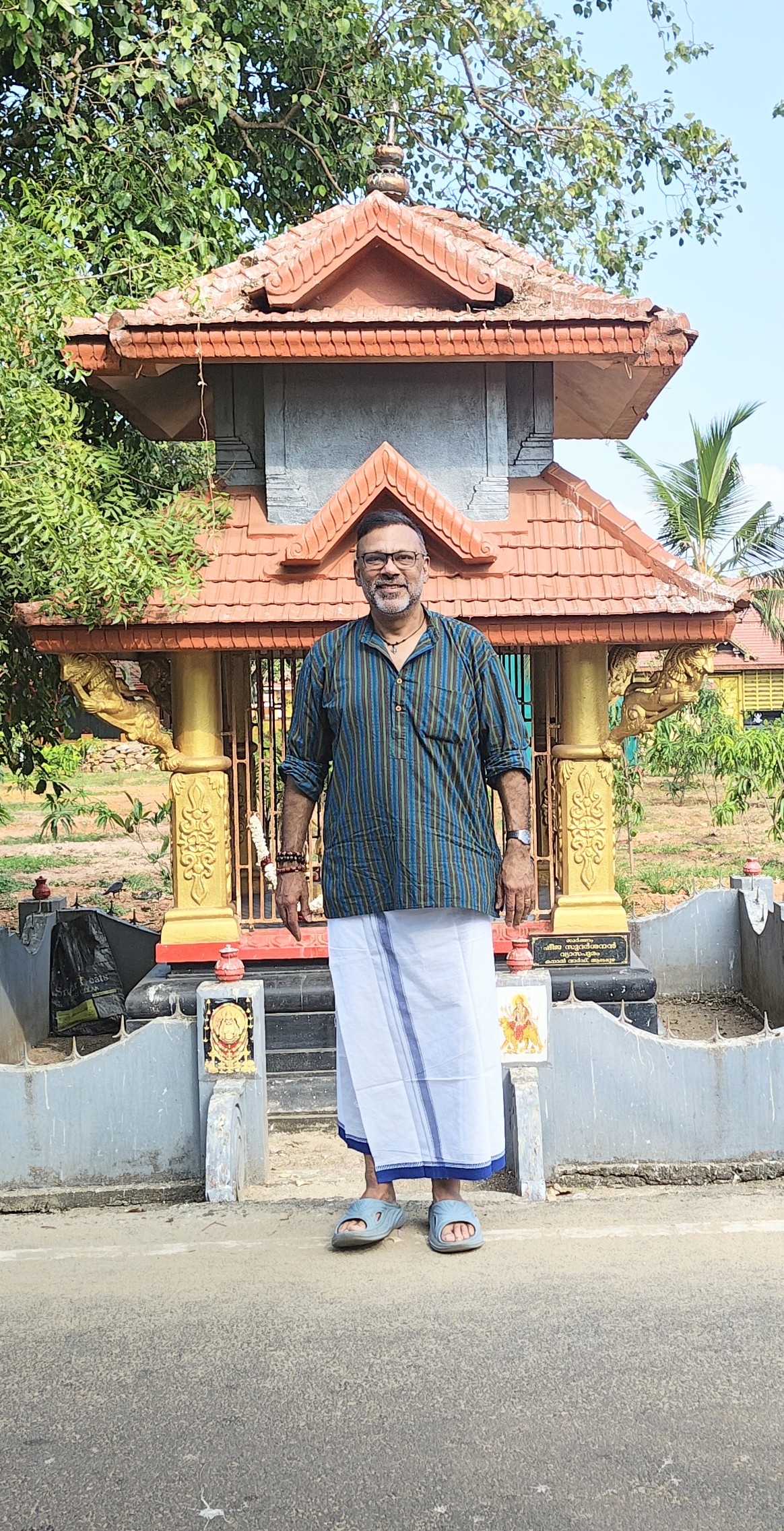
After a lovely mid-morning tea in the garden of my host Charlotte, I hoisted my backpack and found the local bus trying to find my way to Allapuzha (formerly Allepey), famous for its beaches and backwater. I knew it was going to be a very long bus trip, but it was worth it. Public transport etiquette and respect is incredible amongst Keralites. As soon as someone boarded the bus with any child, a seated person would get up. They helped each others children to make sure they are secure and comfortable – which shows strong community respect. On one bus I was standing, with my backpack on the ground and holding plastic bag. One seated gentlemen gestured for my bag and held it for me throughout my trip – in north India that bag would have disappeared in no time. I got off in some interesting looking town and watched the fishermen work on their colorful wooden boats. I had a lunch of upma and daal and chai all for Rs 120!. Everything in Kerela, especially food, was cheap, very cheap. A fisherman’s hat and a lungi cost me a whopping Rs200.
The names of places was difficult to get used to – I had to change buses in Andakaranazhi near Kizhakkethattu! I solicited lots of smiles and giggles from young school children as I tried to pronounce these places. I guess I was a bit of an enigma for them – they often would see European backpackers even on local busses, but they were intrigued by an older Indian man wearing shorts and a t-shirt donning a backpack. The intrique manifested in smiles, warm greetings and laughter from conversations in which we didn’t know what each of us were saying!
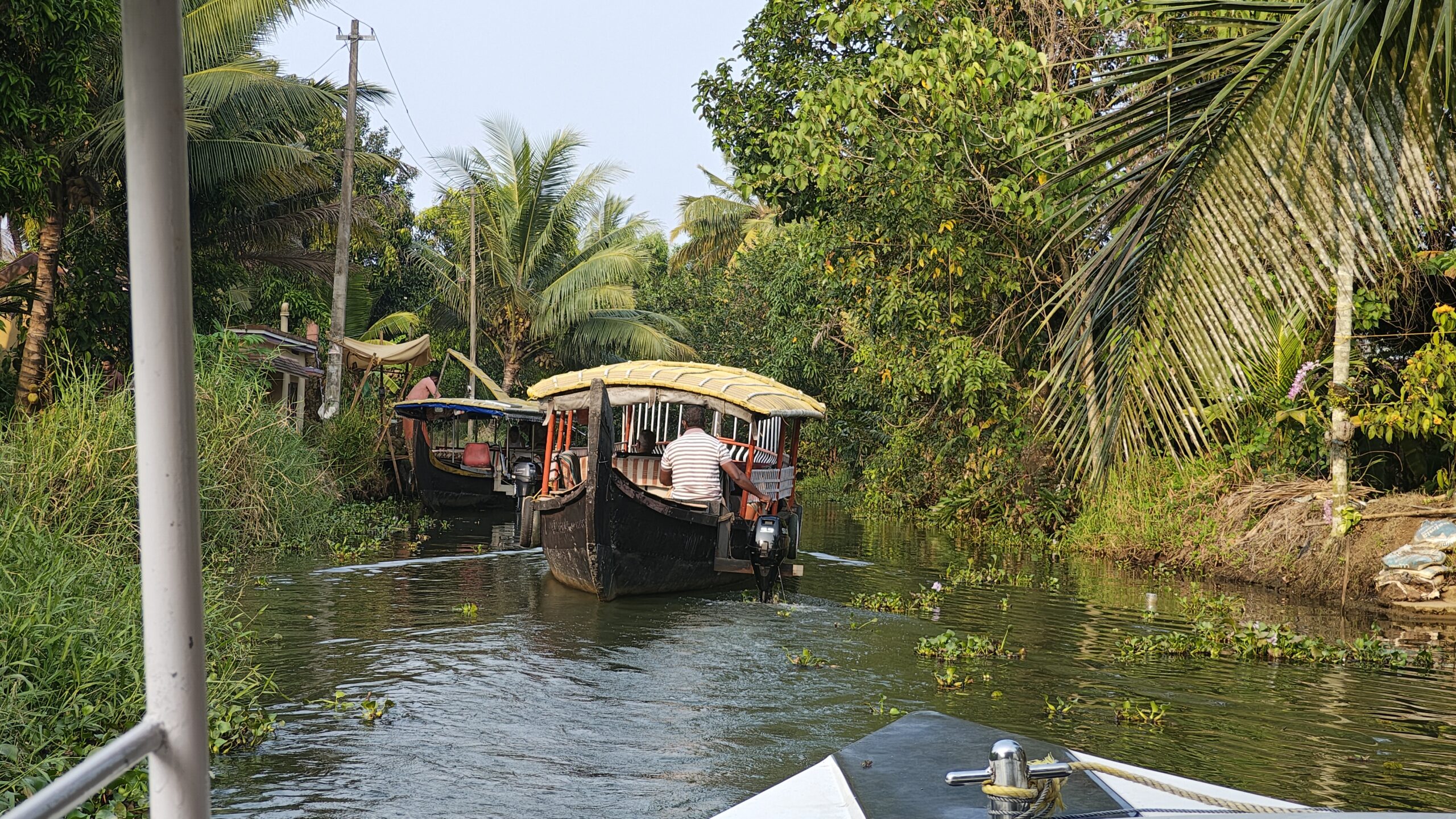
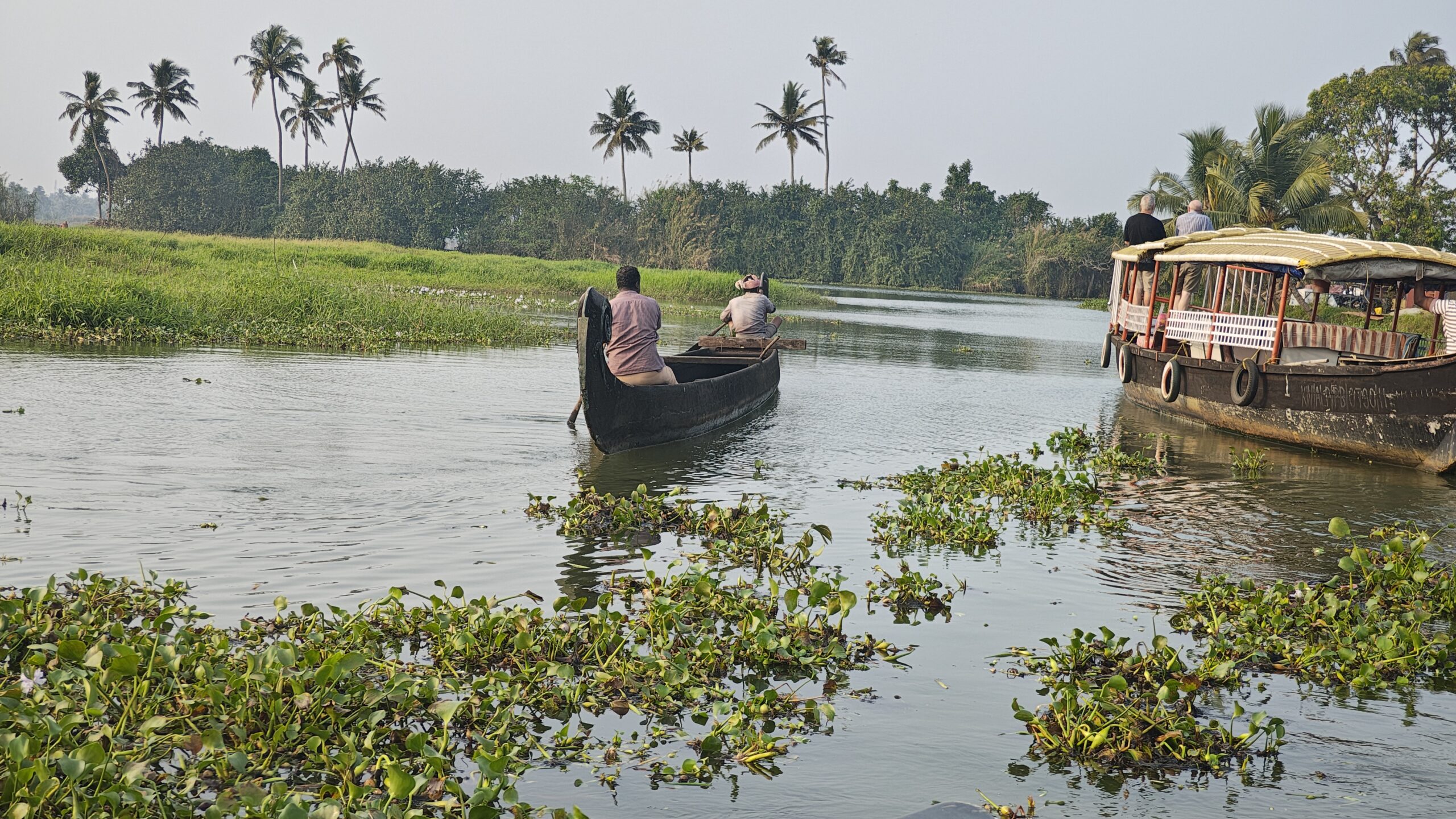
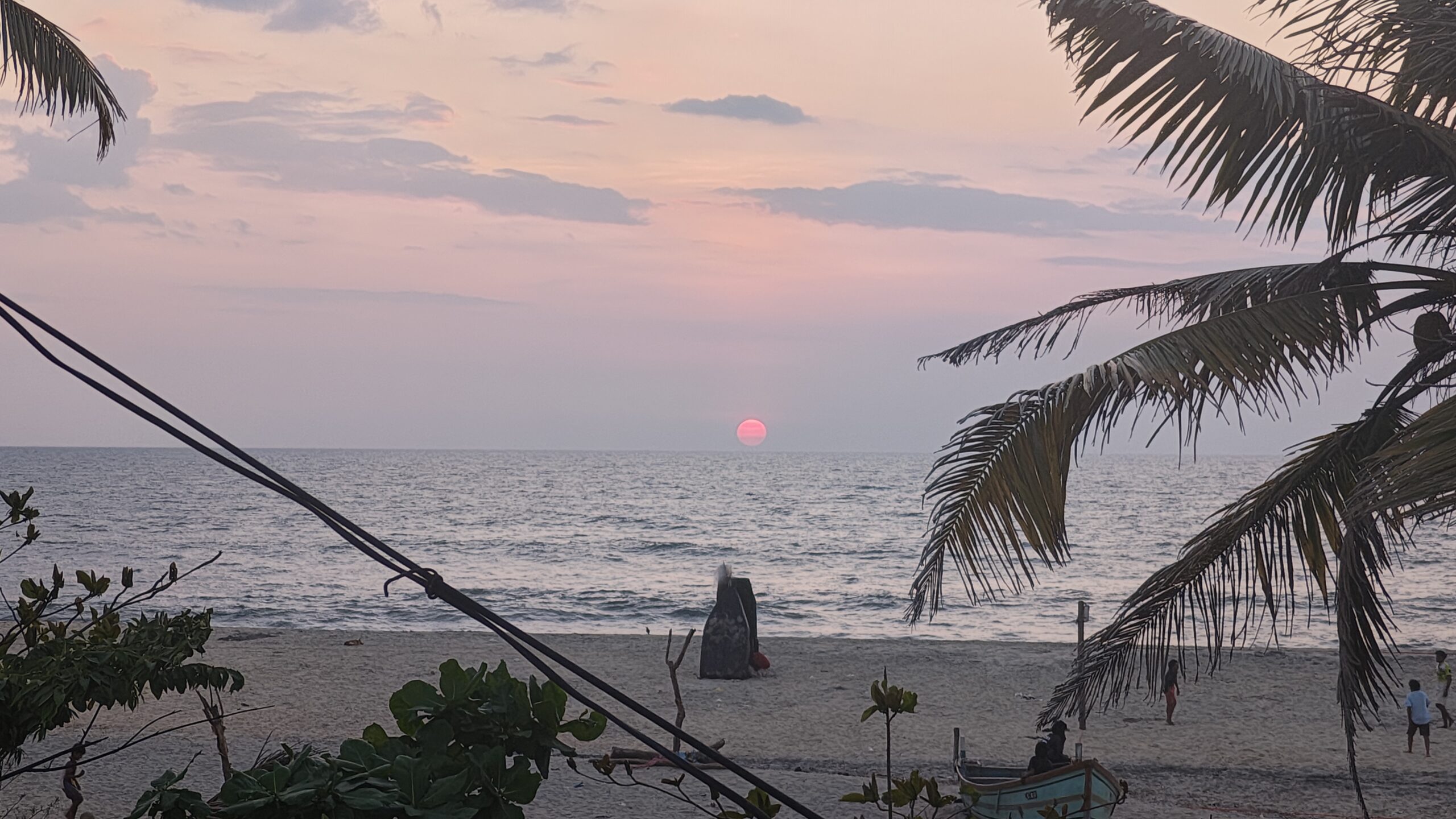
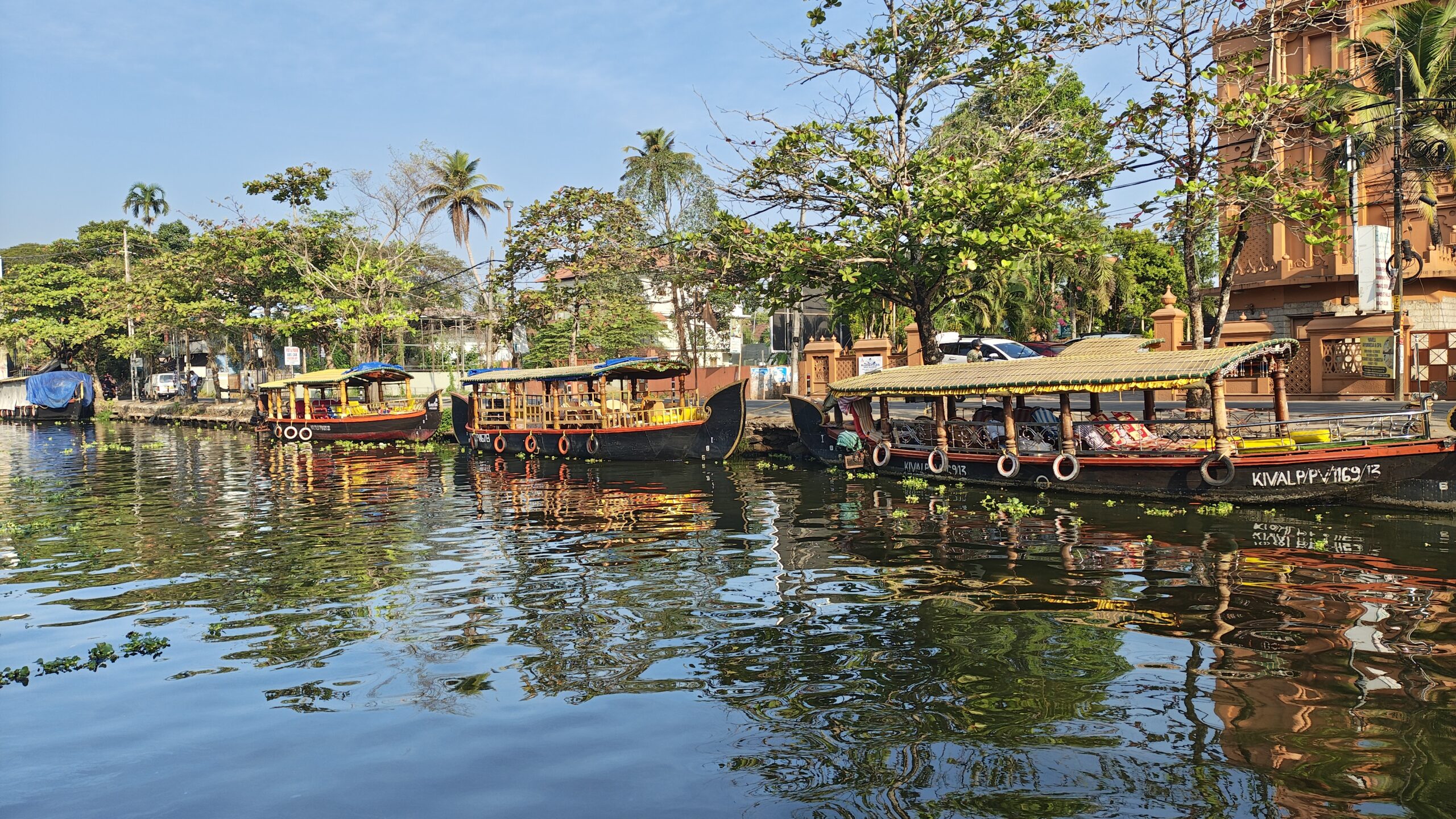
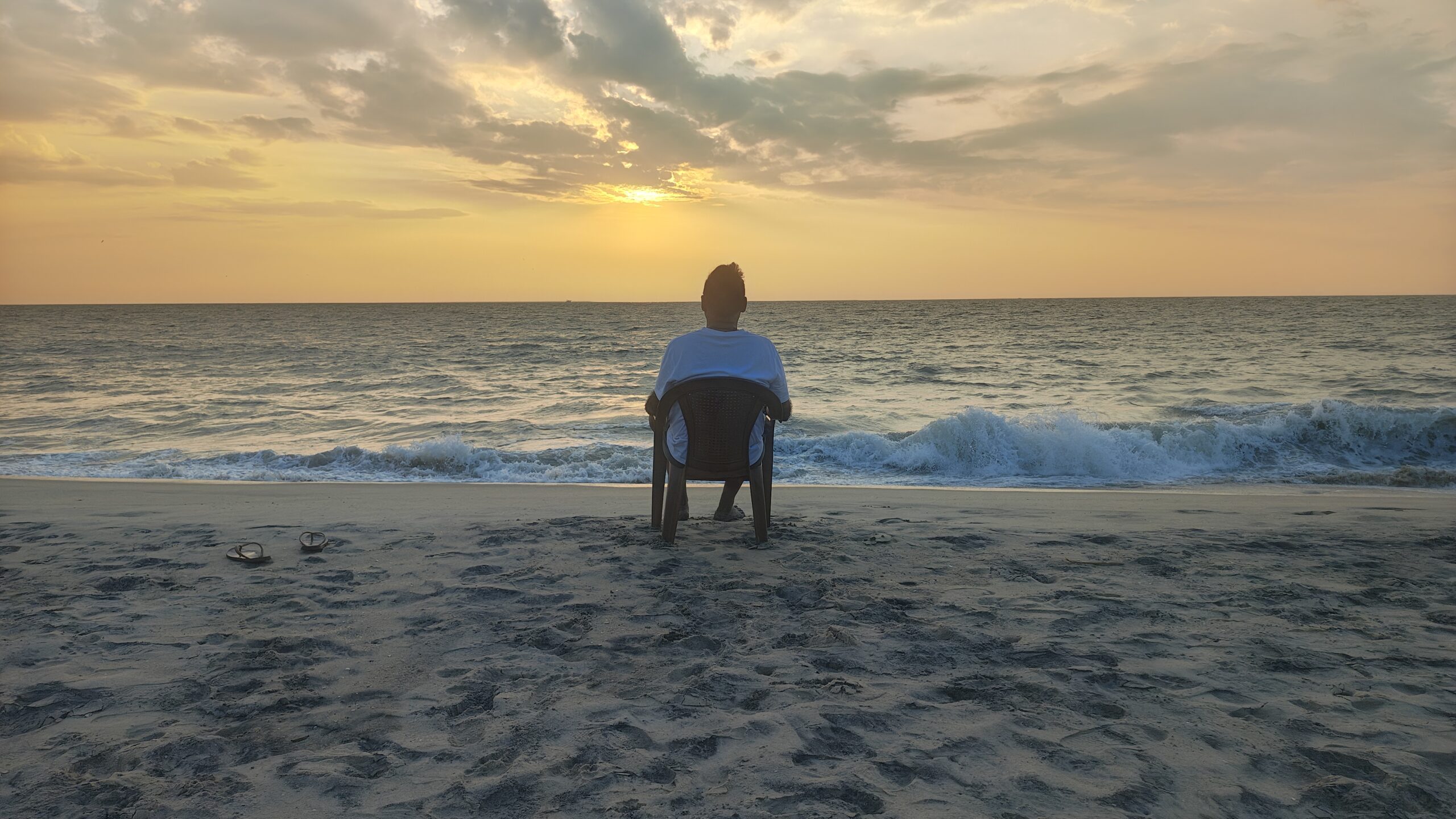
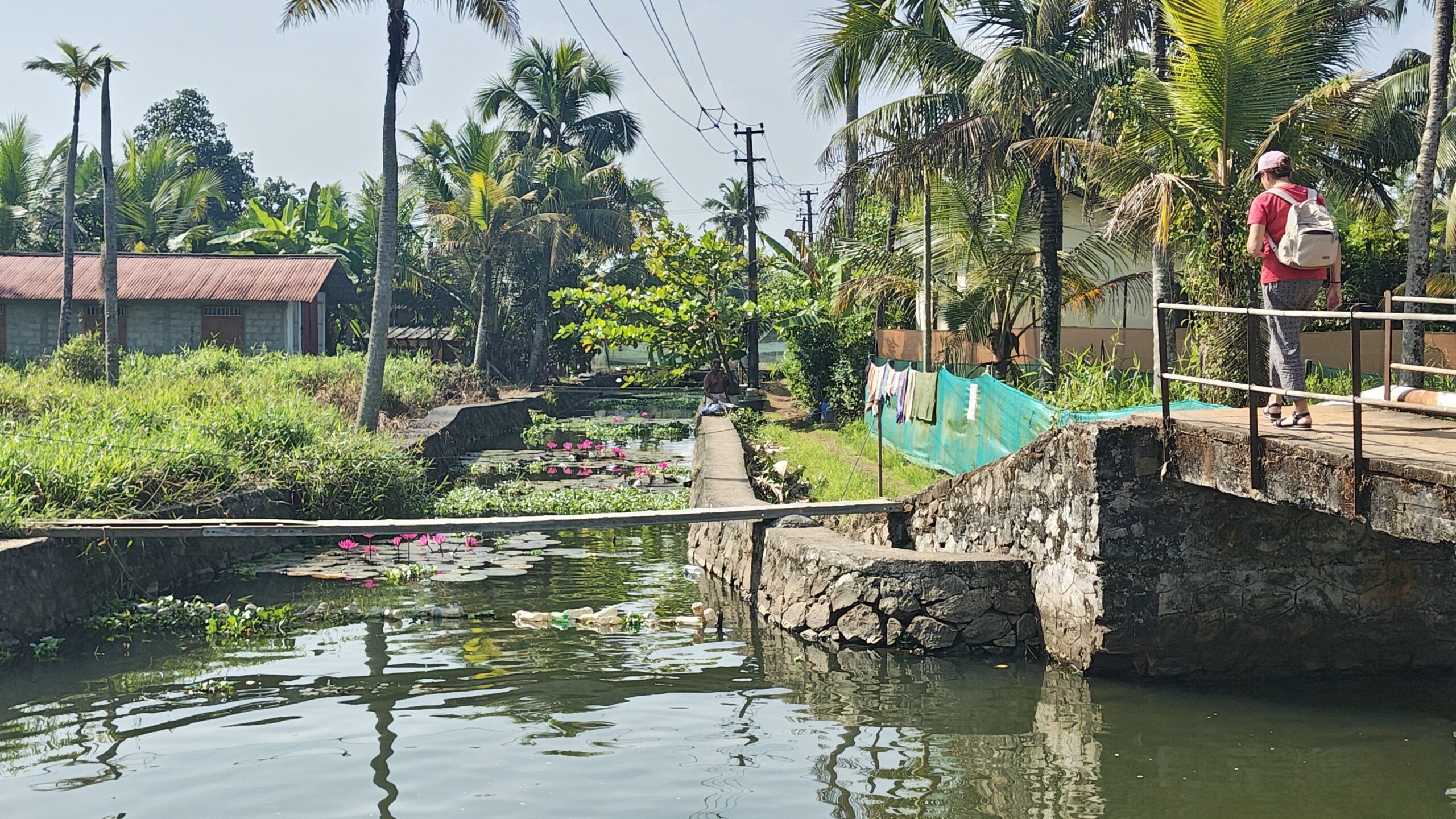
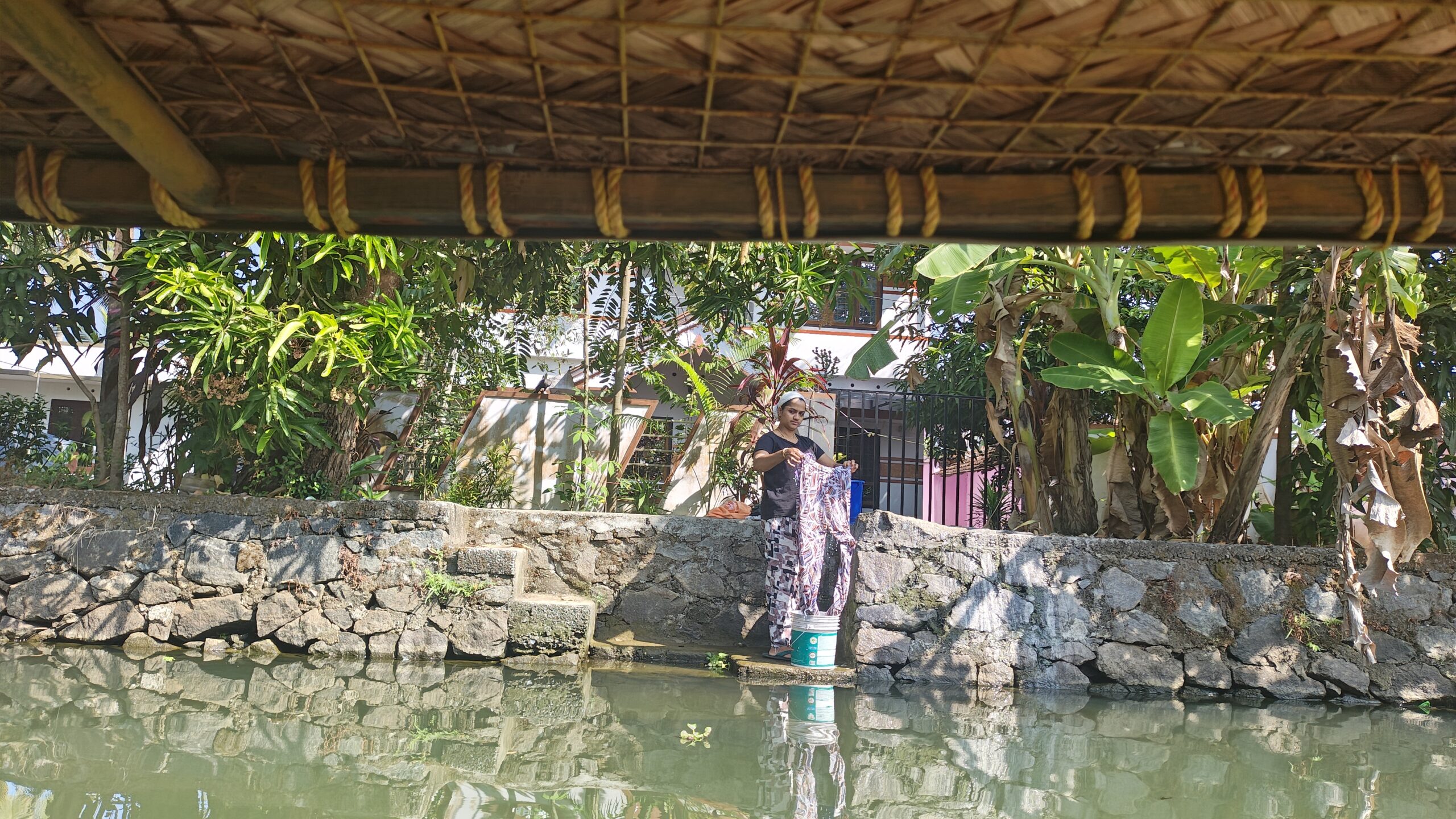
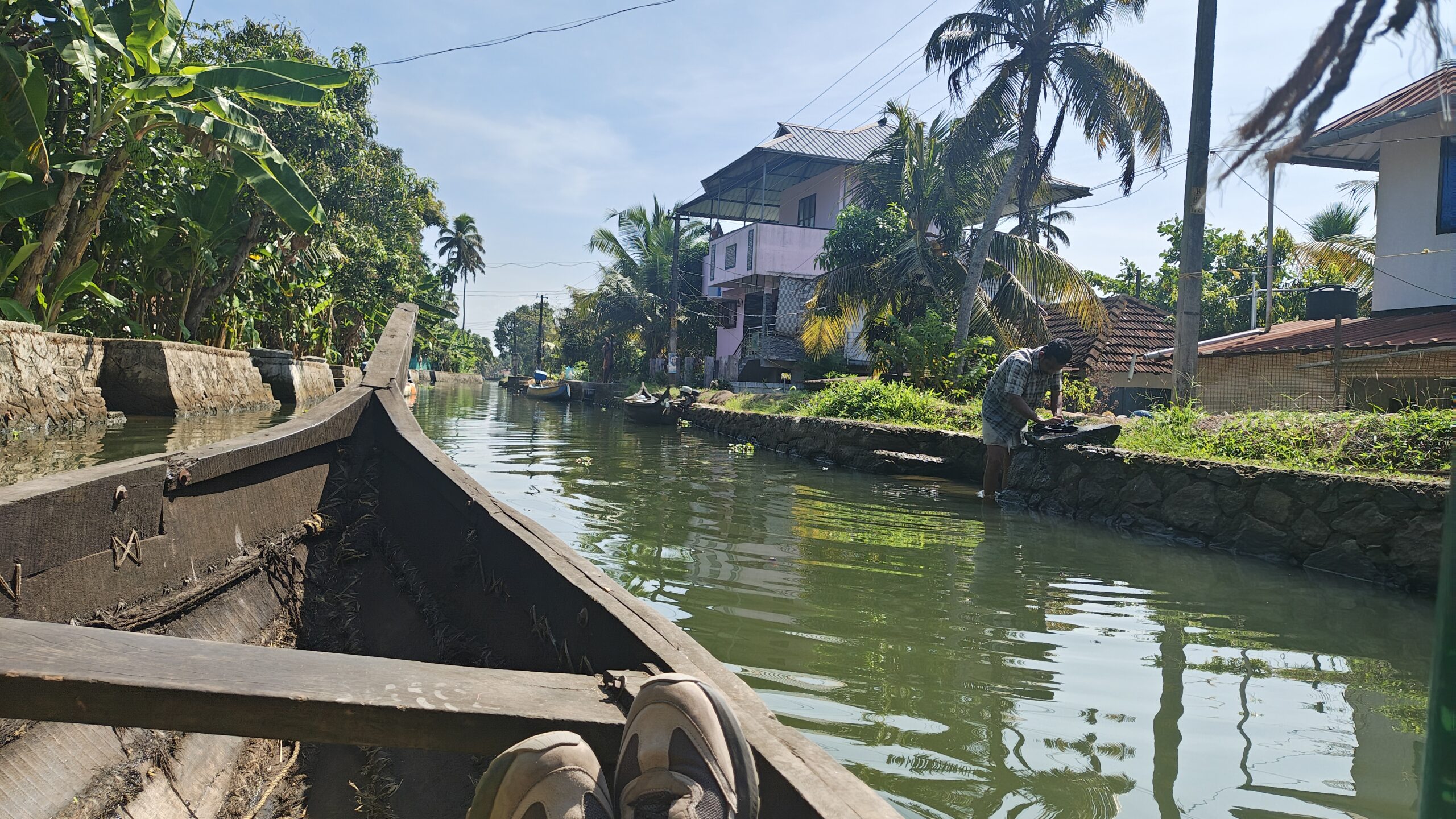
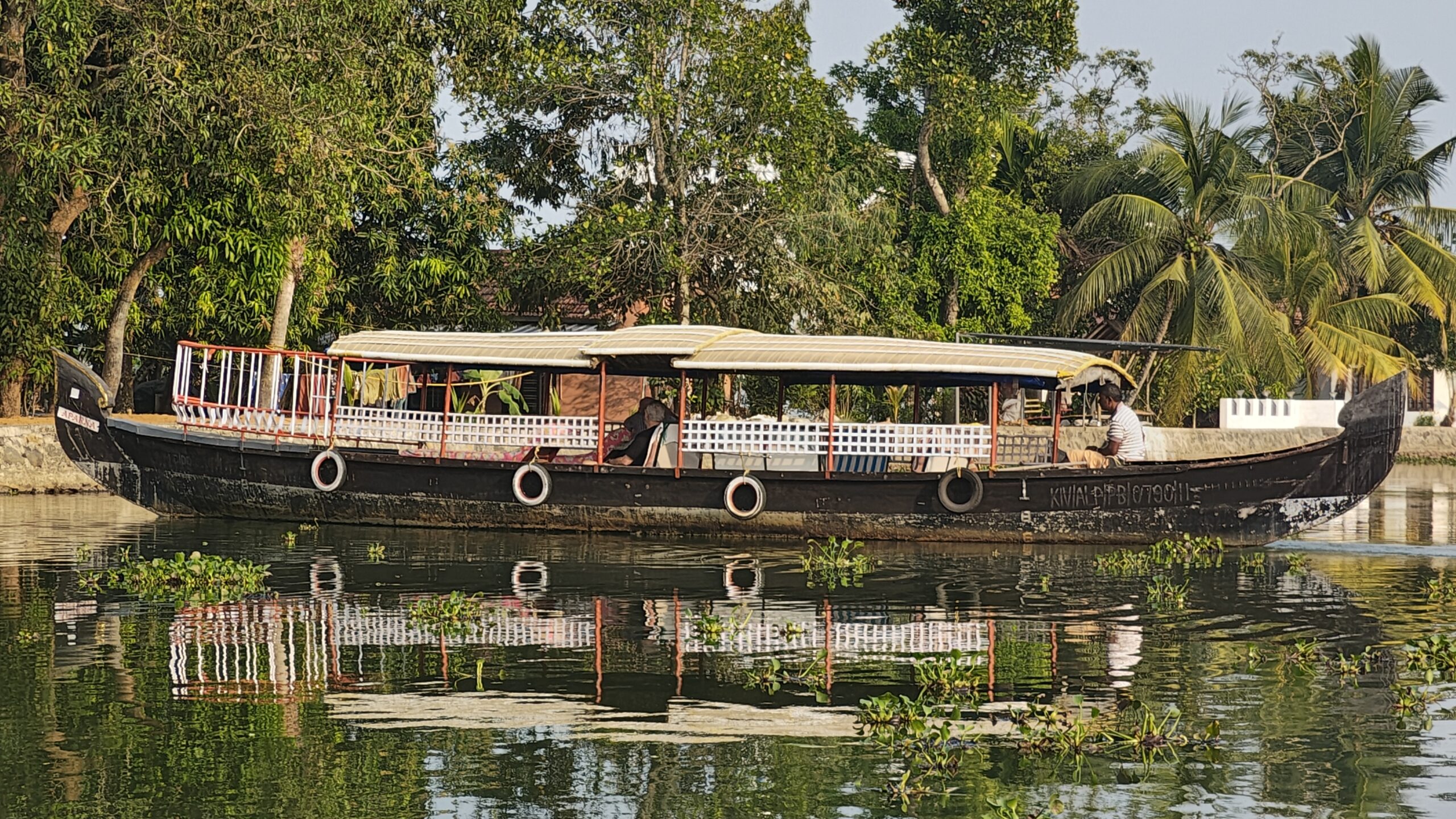
In Allapuzha I stayed at a small beach house called Peace and Love, right off a stretch of beach that was completely empty except for local fisherman and kids playing. I enjoyed long walks and just sitting watching the sunset. The next morning I went on a long backwater tour – a motorcycle ride into town, local government ferry to the villages and then onto a four person traditional canoe which slowly meandered its way through the narrow backwater channels. Lovely little houses with the backdrop of large paddy fields. People going about their work washing clothes in the water and fishing with homemade fishing gear. It was like being transported into a different time and place, a simple slow and beautiful way of living. We drank local toddy on the ride and were treated to a homemade banana leaf lunch. The entire 7 hours with breakfast and lunch was just Rs 1000, almost unfathomable anywhere else in the world. When I got back to the beach, I walked the entire length of it back to the guest house.
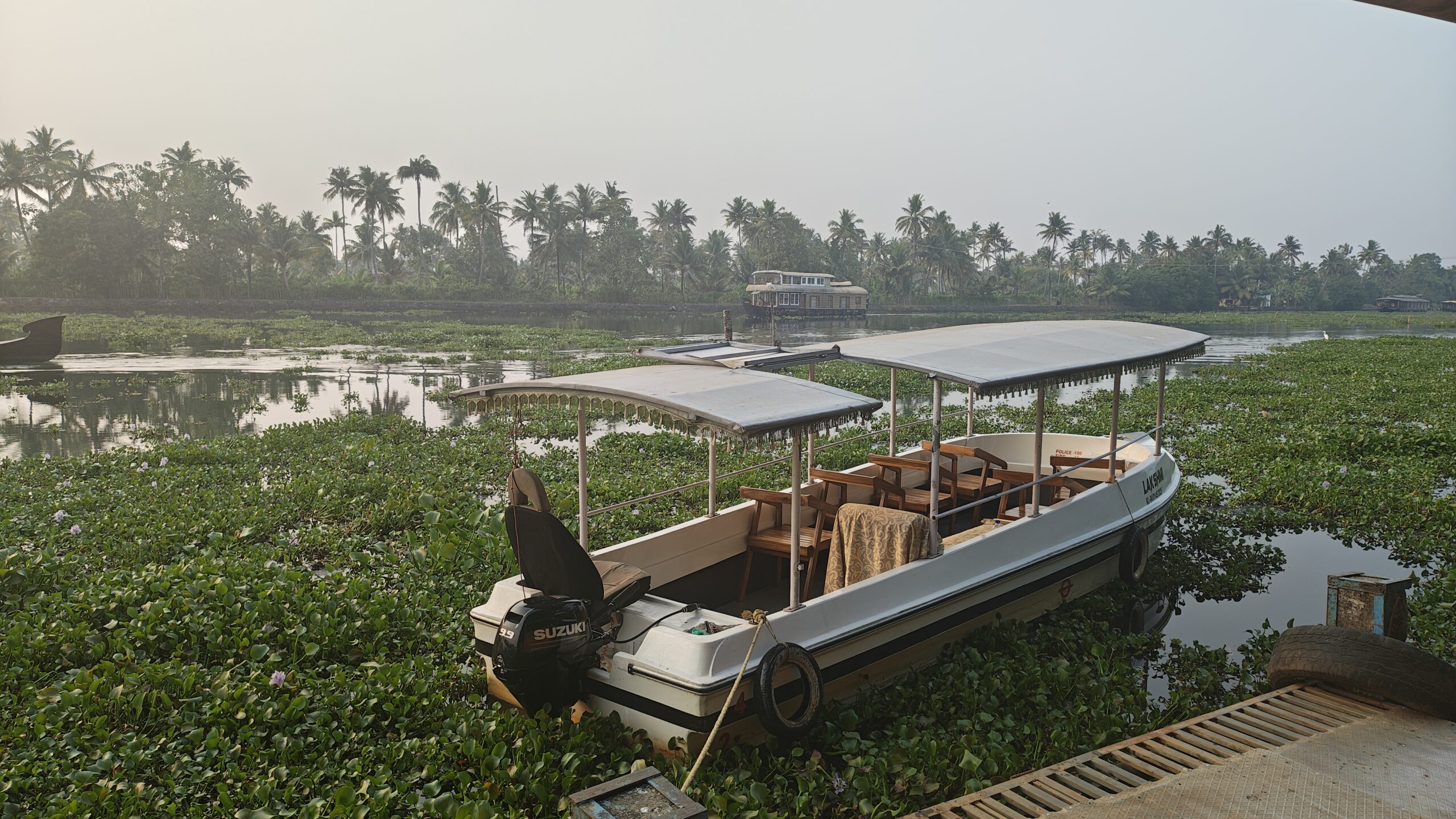
After hanging out with the friends of the owner at night, drinking whisky and snacking, I hit the sack late at night. Next day I decided to go to Kumarakom, which is on the other side of the large lake – a bus to Muhamma and ferry across to Kumarakom. Checked into a more “regular” hotel and went and got a Ayurvedic steam treatment and massage. Since the bird sanctuary was closed, I decided to hire another boat ride for a couple of hours to see the sunset on the lake.
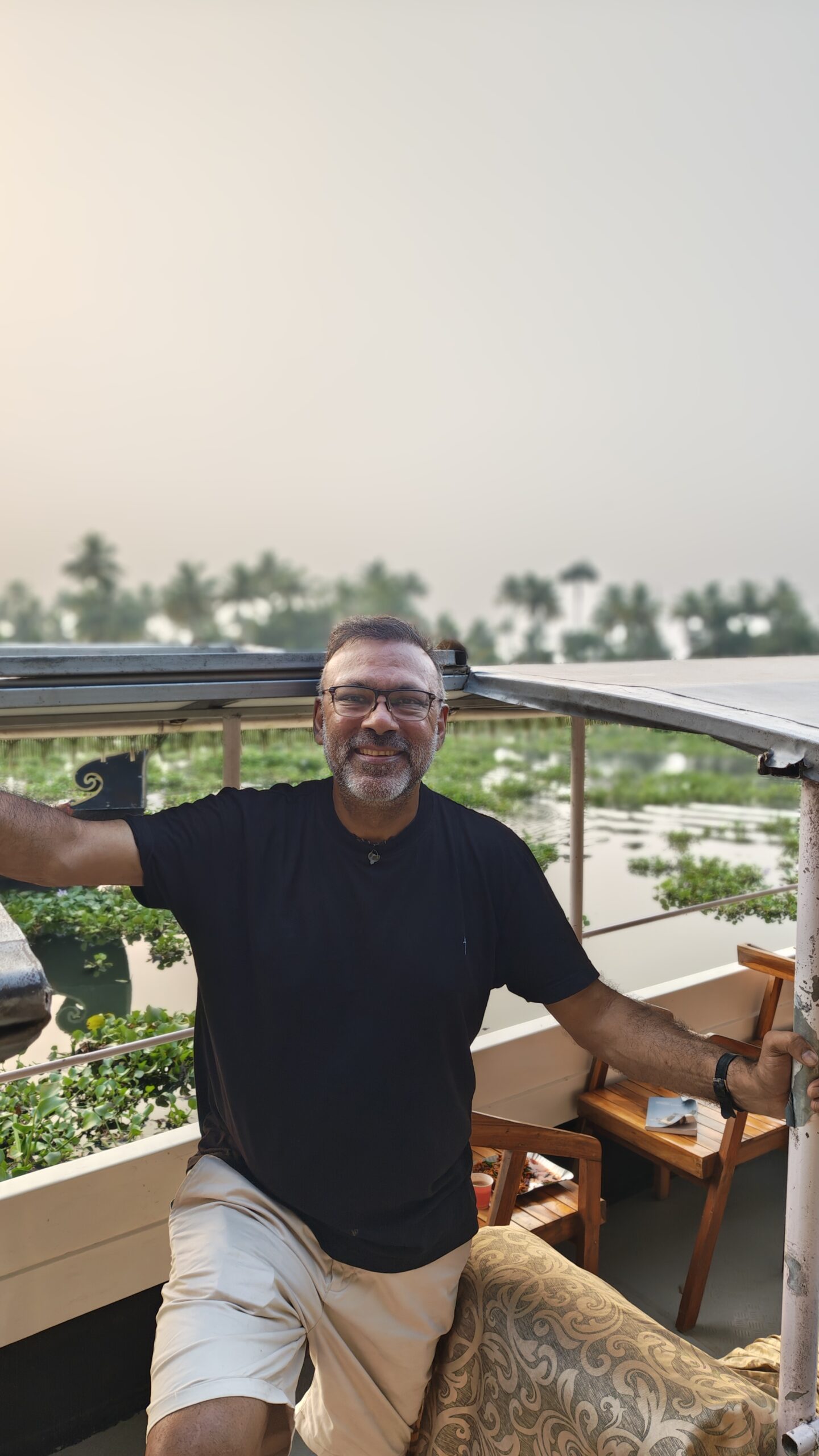
The boat operator was a young local man, who knew all the different birds and took me into the backwaters again for another lovely tour pointing out various wildlife as we went along, ending up finally on the lake along with all the houseboats for a view of the sunset. He was a great guide, sharing some local history, and waving to the famous Chaya Chechi (the floating tea lady) as we passed her house. Another wonderful genuine experience with the locals.
The next morning was time to leave and take a 2 hour taxi to the airport. I was sad to leave and contemplated spending a lot more time travelling in Kerela one day – as four days were just not enough to do justice to God’s country.